Ultimate 2026 Alfama Walking Tour Itinerary
If you’re planning a trip to Lisbon in 2026, you cannot visit Lisbon without visiting the oldest neighbourhood of Alfama. Alfama boasts winding alleyways, iconic views, sun-washed facades, all with Fado melodies drifting through the air and ancient history at your finger tips.
This Ultimate 2026 Alfama Walking Tour Itinerary is your key to unlocking Alfama’s rich cultural tapestry. Whether you’re a first time visitor or returning to Lisbon with a deeper curiosity, our walking tour blends must see landmarks with hidden gems that even some locals overlook. From ancient Moorish walls to tucked away miradouros (viewpoints), we’ll guide you step by step through Alfama’s enchanting streets.
Lace up your walking shoes, grab your camera, take 6 hours out of your day and get ready to fall in love with the heart of Lisbon, one cobblestone at a time.
This Ultimate 2026 Alfama Walking Tour Itinerary is your key to unlocking Alfama’s rich cultural tapestry. Whether you’re a first time visitor or returning to Lisbon with a deeper curiosity, our walking tour blends must see landmarks with hidden gems that even some locals overlook. From ancient Moorish walls to tucked away miradouros (viewpoints), we’ll guide you step by step through Alfama’s enchanting streets.
Lace up your walking shoes, grab your camera, take 6 hours out of your day and get ready to fall in love with the heart of Lisbon, one cobblestone at a time.
Total Distance Of Walking Tour
5.8km
5.8km
Duration Of Walking Tour
(not including stops at sights)
1hr 30 minutes
(not including stops at sights)
1hr 30 minutes
Terrain
Alfama includes hills and steps. This walk is not suitable for people with mobility issues
Alfama includes hills and steps. This walk is not suitable for people with mobility issues
Ultimate 2026 Alfama Walking Tour Itinerary
show
Stop 1 – Casa dos Bicos
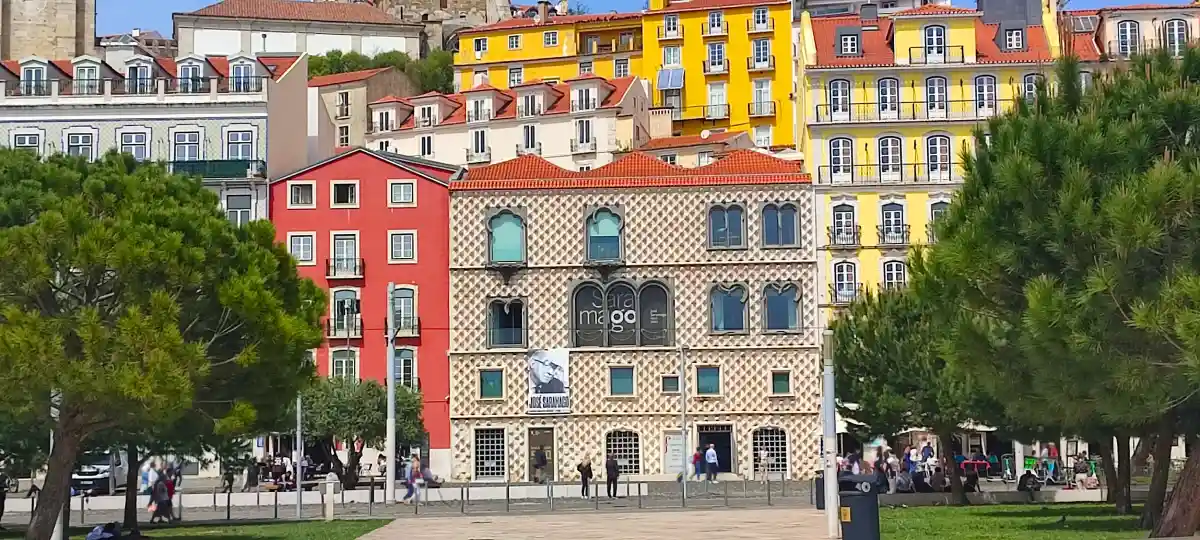
Lets start our walking tour at the oldest house in Lisbon. This building is unique and it even survived the 1755 Great Lisbon Earthquake.
Built in 16th century by the son of the second governor of Portuguese India. It is
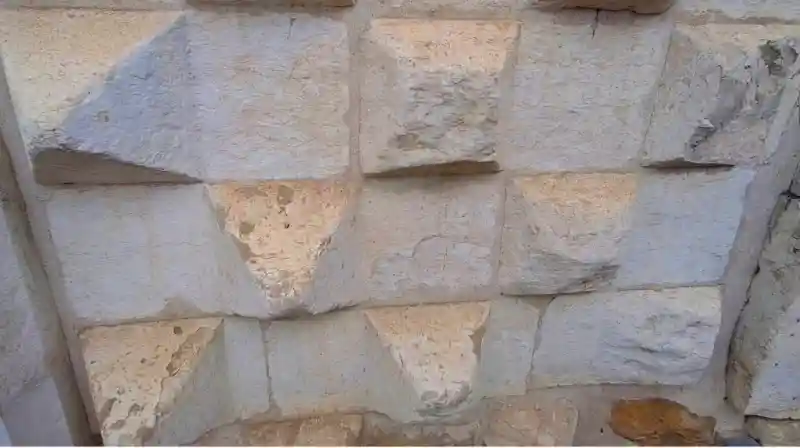
inspired by Italian Renaissance and the palaces of Bologna. He covered the outside of the building with diamond shaped stones that gives the building that special spikey appearance.
It is currently where the José Saramago Foundation is based, José Saramago is the Portuguese Nobel Prize winner for Literature in 1998. You can learn more about him at the exhibition.
🕰️ Opening Hours
Monday to Saturday: 10:00 AM – 6:00 PM
(Last entry at 5:30 PM)
Closed on Sundays
🎟️ Admission Prices
Standard ticket: €3.00
Family ticket (up to 2 adults): €8.00
Student ticket (with valid ID): €2.00
Children under 12: Free
Seniors (65+): €2.00
Lisboa Card holders: €2.00
Joint ticket (access to other Museum of Lisbon sites): €6.00
Built in 16th century by the son of the second governor of Portuguese India. It is
inspired by Italian Renaissance and the palaces of Bologna. He covered the outside of the building with diamond shaped stones that gives the building that special spikey appearance.
It is currently where the José Saramago Foundation is based, José Saramago is the Portuguese Nobel Prize winner for Literature in 1998. You can learn more about him at the exhibition.
🕰️ Opening Hours
Monday to Saturday: 10:00 AM – 6:00 PM
(Last entry at 5:30 PM)
Closed on Sundays
🎟️ Admission Prices
Standard ticket: €3.00
Family ticket (up to 2 adults): €8.00
Student ticket (with valid ID): €2.00
Children under 12: Free
Seniors (65+): €2.00
Lisboa Card holders: €2.00
Joint ticket (access to other Museum of Lisbon sites): €6.00
Stop 2 – Igreja Sta. Maria Madalena
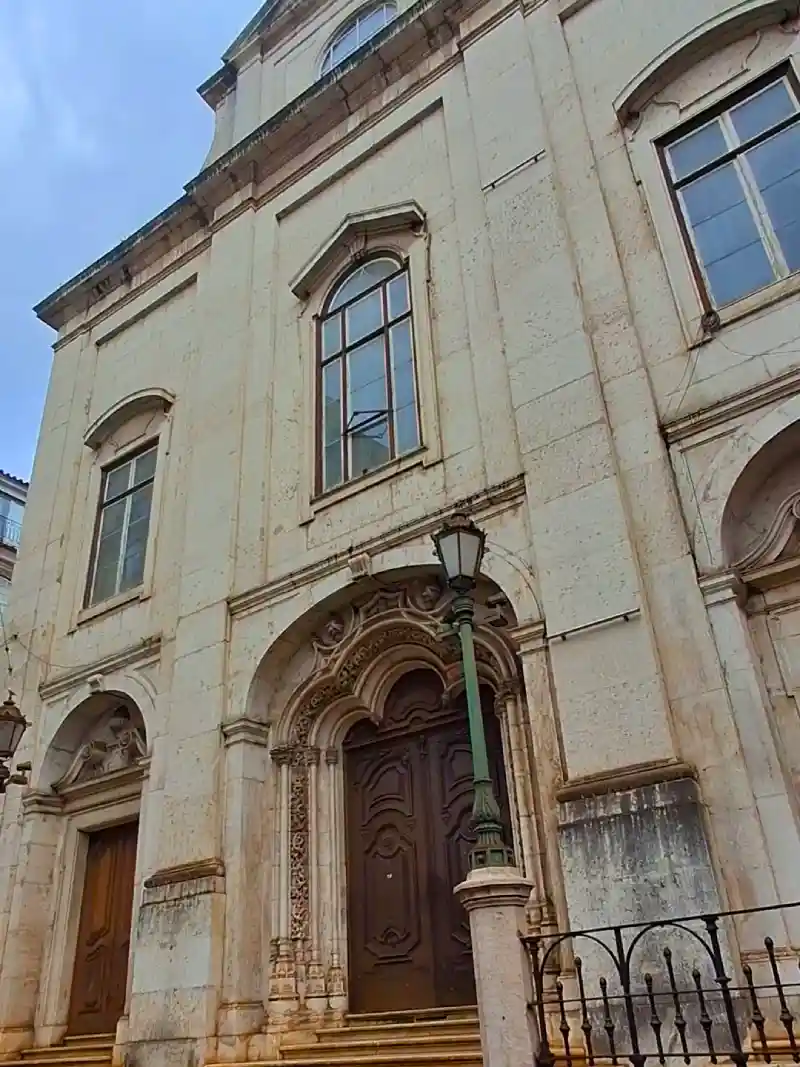
Igreja de Santa Maria Madalena is a historic church originally founded in 1164 by King Afonso Henriques. It was originally established as a small church and later became part of the Monastery of Santa Maria Madalena.
Like many historical sites in Alfama, the church has been rebuilt many times, specifically after the great earthquake.
The church is a great example of Baroque architecture, with its rich decorative details, ornate altars, and beautiful interior. It is a little less known sister to the Sé and Church of Saint Anthony of Lisbon.
Stop 3 – Church of Saint Anthony of Lisbon
Next we visit the Church of St Anthony, an important location in Lisbon.
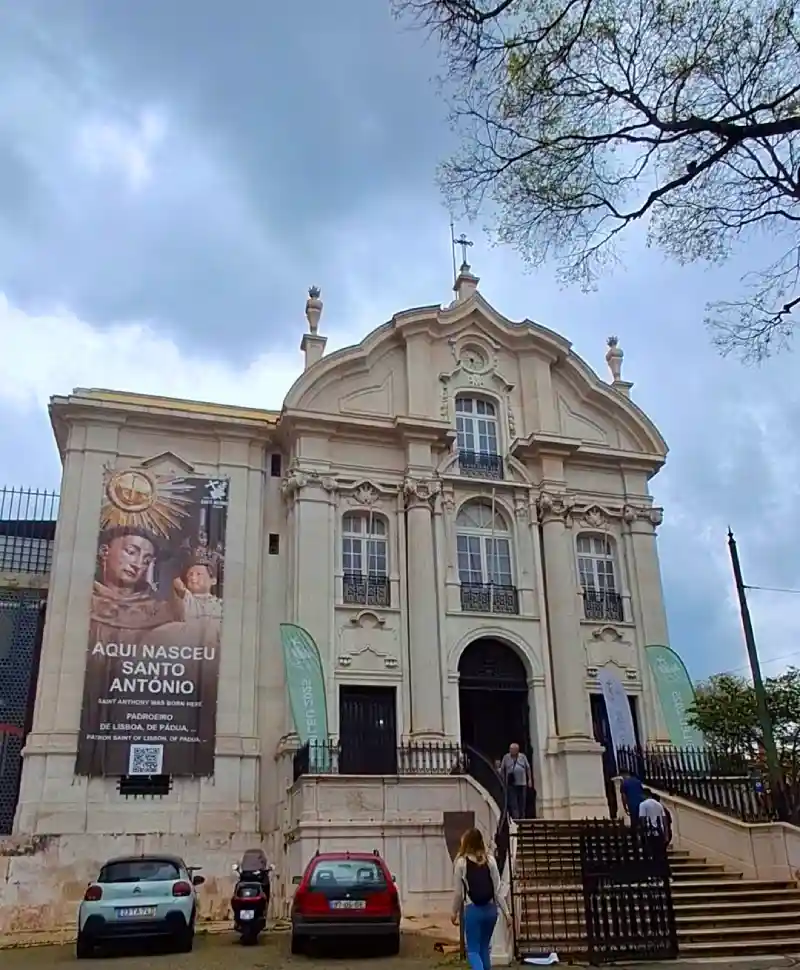
The Church of Saint Anthony of Lisbon is a Baroque-Rococo church built over the birthplace of Saint Anthony, who was believed to be in born 1195. He is Lisbon’s cities patron saint and this church holds a tomb marking the exact spot of his birth.
Saint Anthony is known as the patron saint of lovers, the poor and the lost. On June 13th Lisbon celebrates him with the famous Santo António Festival.
Today, the Church of Saint Anthony is an active place of worship and is visited by both devotees and tourists.
The Church of Saint Anthony of Lisbon is a Baroque-Rococo church built over the birthplace of Saint Anthony, who was believed to be in born 1195. He is Lisbon’s cities patron saint and this church holds a tomb marking the exact spot of his birth.
Saint Anthony is known as the patron saint of lovers, the poor and the lost. On June 13th Lisbon celebrates him with the famous Santo António Festival.
Today, the Church of Saint Anthony is an active place of worship and is visited by both devotees and tourists.
Stop 4 – Sé Cathedral
Sé, is the oldest church in Lisbon being built in 1147, it was commised by King Afonso Henriques, the first king of Portugal.
The Sé is famous for being the first religious building constructed by the 12th century Christian Crusaders. Before this time Alfama was a muslim district and the Sé was built over a former mosque.
Unfortunately in 1755 the church was greatly affected by the great earthquake. It was rebuilt and renovated several times after that, blending different styles, from Romanesque, to Gothic and Baroque.
Saint Vincent is Lisbon’s patron saint, and his relics are housed here.
Legend says his body was brought to Lisbon guarded by ravens, which is why is you look closely enough you will find ravens all over Lisbon on its coat of arms!
The Sé is famous for being the first religious building constructed by the 12th century Christian Crusaders. Before this time Alfama was a muslim district and the Sé was built over a former mosque.
Unfortunately in 1755 the church was greatly affected by the great earthquake. It was rebuilt and renovated several times after that, blending different styles, from Romanesque, to Gothic and Baroque.
Saint Vincent is Lisbon’s patron saint, and his relics are housed here.
Legend says his body was brought to Lisbon guarded by ravens, which is why is you look closely enough you will find ravens all over Lisbon on its coat of arms!

Opening Times
May to October:
Monday, Tuesday, Thursday, and Friday: 9:30 AM – 7:00 PM
Wednesday and Saturday: 10:00 AM – 6:00 PM
Sundays and Holy Days: Closed
November to April:
Monday to Saturday: 10:00 AM – 6:00 PM
Sundays and Holy Days: Closed
May to October:
Monday, Tuesday, Thursday, and Friday: 9:30 AM – 7:00 PM
Wednesday and Saturday: 10:00 AM – 6:00 PM
Sundays and Holy Days: Closed
November to April:
Monday to Saturday: 10:00 AM – 6:00 PM
Sundays and Holy Days: Closed
Admission Fees
Adults (13+ years): €5.00
Children (7–12 years): €3.00
Children under 7: Free
Lisboa Card holders: 20% discount
🕍 Cloister Access
Access to the Gothic cloisters, which feature archaeological remains from Roman, Arab, and medieval periods, requires an additional fee of €2.50.
Adults (13+ years): €5.00
Children (7–12 years): €3.00
Children under 7: Free
Lisboa Card holders: 20% discount
🕍 Cloister Access
Access to the Gothic cloisters, which feature archaeological remains from Roman, Arab, and medieval periods, requires an additional fee of €2.50.
Things To Do
📌Top Tip
Grab a coffee at the iconic yellow kiosk.
📌Top Tip
Savor an al fresco meal, under the orange trees beside the iconic Sé Cathedral at one of Lisbon’s charming local restaurants.
📌Top Tip
Grab a coffee at the iconic yellow kiosk.
📌Top Tip
Savor an al fresco meal, under the orange trees beside the iconic Sé Cathedral at one of Lisbon’s charming local restaurants.
Watch Ultimate 2026 Alfama Walking Tour Itinerary
Gotta Stop Here – Gelado de Alfama
Grab a delicious Portuguese ice cream.
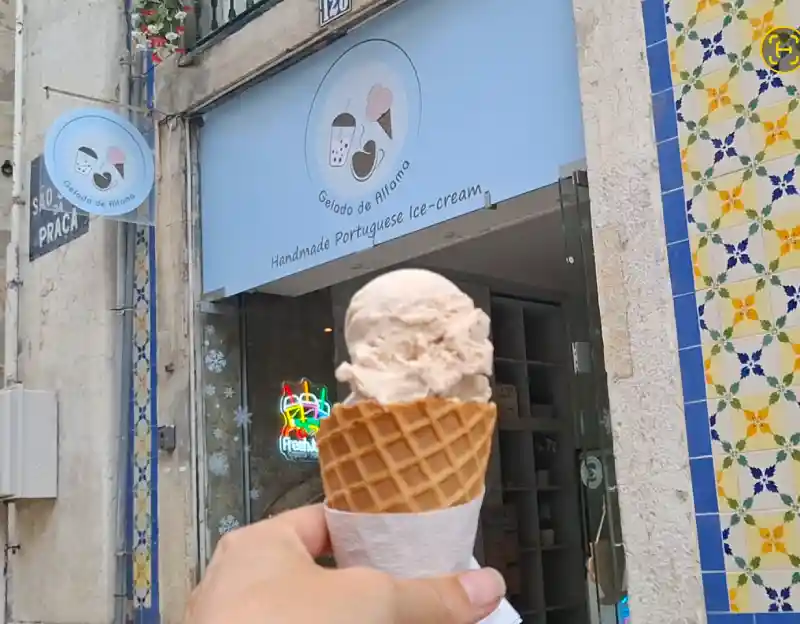
Gelado de Alfama is a cozy ice cream shop in Lisbon’s Alfama district, offering handmade Portuguese gelato. In a city where traditional Portuguese delights are unfortunately becoming more rare, we recommend a visit to this tasty ice cream stop.
Alongside ice creams you can also grab breakfast items, pastries, coffee, fresh juice and bubble tea.
Grab a delicious Portuguese ice cream.
Gelado de Alfama is a cozy ice cream shop in Lisbon’s Alfama district, offering handmade Portuguese gelato. In a city where traditional Portuguese delights are unfortunately becoming more rare, we recommend a visit to this tasty ice cream stop.
Alongside ice creams you can also grab breakfast items, pastries, coffee, fresh juice and bubble tea.
Lets continue our Alfama walking tour itinerary.
Stop 5 – Miradouro de Santa Luzia
Miradouro de Santa Luzia is a picturesque viewpoint framed by vibrant bougainvillea and historic azulejos. It is Portas Do Sol little sister.
Once home to the Santa Luzia Church, which dates back to the 12th century. This pretty viewpoint is a part of the old garden, hence the fountains, the bust of King João I of Portugal and beautiful purple flowers framing this stunning view.
The Miradouro de Santa Luzia is quintessentially Alfama, it is historic, picturesque and brimming Lisbons charm.
These days you will often find buskers playing traditional Portuguese music adding to the quintessential Alfama feel.
Once home to the Santa Luzia Church, which dates back to the 12th century. This pretty viewpoint is a part of the old garden, hence the fountains, the bust of King João I of Portugal and beautiful purple flowers framing this stunning view.
The Miradouro de Santa Luzia is quintessentially Alfama, it is historic, picturesque and brimming Lisbons charm.
These days you will often find buskers playing traditional Portuguese music adding to the quintessential Alfama feel.

Stop 6 – Portas Do Sol Miradouro
No doubt you have already seen the view of Lisbon from the viewpoint Portas Do Sol, the image is probably one of the most famous of Lisbon.
This area is definitely a must stop when visiting Lisbon. This iconic viewpoint provides sweeping views of Alfama’s terracotta rooftops, the dome of the National Pantheon and the São Vicente de Fora Monastery.
The name “Portas do Sol”, meaning “Gates of the Sun“, refers to a historic city gate that once stood here. This gate was a part of the Moorish defensive walls that surrounded Lisbon prior to the devastating 1755 earthquake.
You can also admire the beautiful statue of of São Vicente, the patron saint of Lisbon. The statue was installed in 1949 and you can see St Vincente holding a boat with two ravens.
Tourists and locals and stop and admire the view whilst taking in Portuguese Bica (expresso) at the typical Portuguese kiosk.
For the most stunning views, consider visiting at sunrise or sunset when the light casts a golden hue over the city and the golden rays reflect off the river Tagus.
This area is definitely a must stop when visiting Lisbon. This iconic viewpoint provides sweeping views of Alfama’s terracotta rooftops, the dome of the National Pantheon and the São Vicente de Fora Monastery.
The name “Portas do Sol”, meaning “Gates of the Sun“, refers to a historic city gate that once stood here. This gate was a part of the Moorish defensive walls that surrounded Lisbon prior to the devastating 1755 earthquake.
You can also admire the beautiful statue of of São Vicente, the patron saint of Lisbon. The statue was installed in 1949 and you can see St Vincente holding a boat with two ravens.
Tourists and locals and stop and admire the view whilst taking in Portuguese Bica (expresso) at the typical Portuguese kiosk.
For the most stunning views, consider visiting at sunrise or sunset when the light casts a golden hue over the city and the golden rays reflect off the river Tagus.

📌Top Tip
Grab a coffee at the kiosk and enjoy the amazing view
Grab a coffee at the kiosk and enjoy the amazing view
📌Top Tip
Take iconic images of Lisbon from the Observation Deck
Take iconic images of Lisbon from the Observation Deck
⚠️Things to Avoid
Try not to make purchases from the illegal vendors selling items. In my opinion they take away from the beauty of the area.
Be aware of pick pockets they now work in busy areas of Lisbon.
Try not to make purchases from the illegal vendors selling items. In my opinion they take away from the beauty of the area.
Be aware of pick pockets they now work in busy areas of Lisbon.
Stop 7 – History of Lisbon Mural by Nuno Saraiva
The “History of Lisbon” a stunning mural by Nuno Saraiva is a vibrant comic style artwork located in an almost hidden tunnel underneath Largo das Portas do Sol.
The art work humorously illustrates key moments from Lisbons past, From its Phoenician origins to the 1974 Carnation Revolution.
We definitely recommend taking time to study the beautiful and informative details of this artwork. Its also where the public toilet is located in case you need it!
The art work humorously illustrates key moments from Lisbons past, From its Phoenician origins to the 1974 Carnation Revolution.
We definitely recommend taking time to study the beautiful and informative details of this artwork. Its also where the public toilet is located in case you need it!

Stop 8 – Castelo de S. Jorge
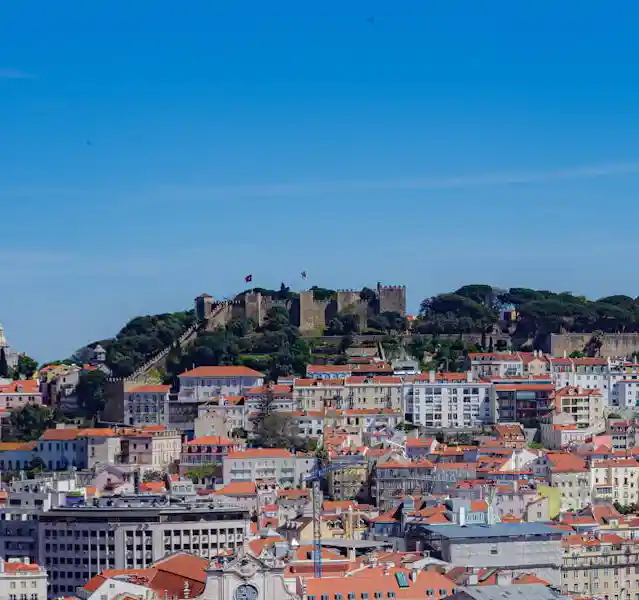
The castle is named after Saint George (São Jorge), the patron saint of soldiers and knights. Saint George is famously depicted as slaying a dragon, a symbol of courage and protection.
The Castelo de S. Jorge is a prominent feature of our city and has watched over and protected Lisbon since the 1st century BC. It was originally a Moorish military stronghold before being captured by King Afonso Henriques in 1147 during the Christian Reconquista.
The castle has served many purposes including a royal palace, a military barracks and a national monument. The castle was declared a national monument in 1910, ensuring its preservation.
Lisbon fun fact is that the structure we see is a replica built in the 1940s. It is still well worth a visit for the history, views and gardens.
Things to keep in mind.
The castle is very busy and queues are normal. Expect to queue for about 30 minutes or more during low season and 60 minutes or longer during high season.
If you prefer to avoid mass tourisits you might want to avoid this on the Alfama walking tour itinerary.
The Castelo de S. Jorge is a prominent feature of our city and has watched over and protected Lisbon since the 1st century BC. It was originally a Moorish military stronghold before being captured by King Afonso Henriques in 1147 during the Christian Reconquista.
The castle has served many purposes including a royal palace, a military barracks and a national monument. The castle was declared a national monument in 1910, ensuring its preservation.
Lisbon fun fact is that the structure we see is a replica built in the 1940s. It is still well worth a visit for the history, views and gardens.
Things to keep in mind.
The castle is very busy and queues are normal. Expect to queue for about 30 minutes or more during low season and 60 minutes or longer during high season.
If you prefer to avoid mass tourisits you might want to avoid this on the Alfama walking tour itinerary.
Opening Hours
Winter Schedule (November 1 – February 28/29):
Open daily from 9:00 AM to 6:00 PM, with the last admission at 5:30 PM.
Summer Schedule (March 1 – October 31):
Open daily from 9:00 AM to 9:00 PM, with the last admission at 8:30 PM.
Winter Schedule (November 1 – February 28/29):
Open daily from 9:00 AM to 6:00 PM, with the last admission at 5:30 PM.
Summer Schedule (March 1 – October 31):
Open daily from 9:00 AM to 9:00 PM, with the last admission at 8:30 PM.
💶 Ticket Prices
Adults: €15.00
Youth (13–25 years): €7.50
Seniors (65+): €12.50
Persons with Specific Needs: €10.50
Free Admission: Children under 12, Lisboa Card holders, and Lisbon residents with proof of residency (one admission per day).
Adults: €15.00
Youth (13–25 years): €7.50
Seniors (65+): €12.50
Persons with Specific Needs: €10.50
Free Admission: Children under 12, Lisboa Card holders, and Lisbon residents with proof of residency (one admission per day).
⚠️Things to Avoid
Try not to make purchases from the illegal vendors selling items. In my opinion they take away from the beauty of the area.
Be aware of pick pockets they now work in busy areas of Lisbon.
Try not to make purchases from the illegal vendors selling items. In my opinion they take away from the beauty of the area.
Be aware of pick pockets they now work in busy areas of Lisbon.
Stop 9 – Miradouro da Graça
Although not technically in the Alfama region we recommend visiting this viewpoint on your day trip in Alfama.
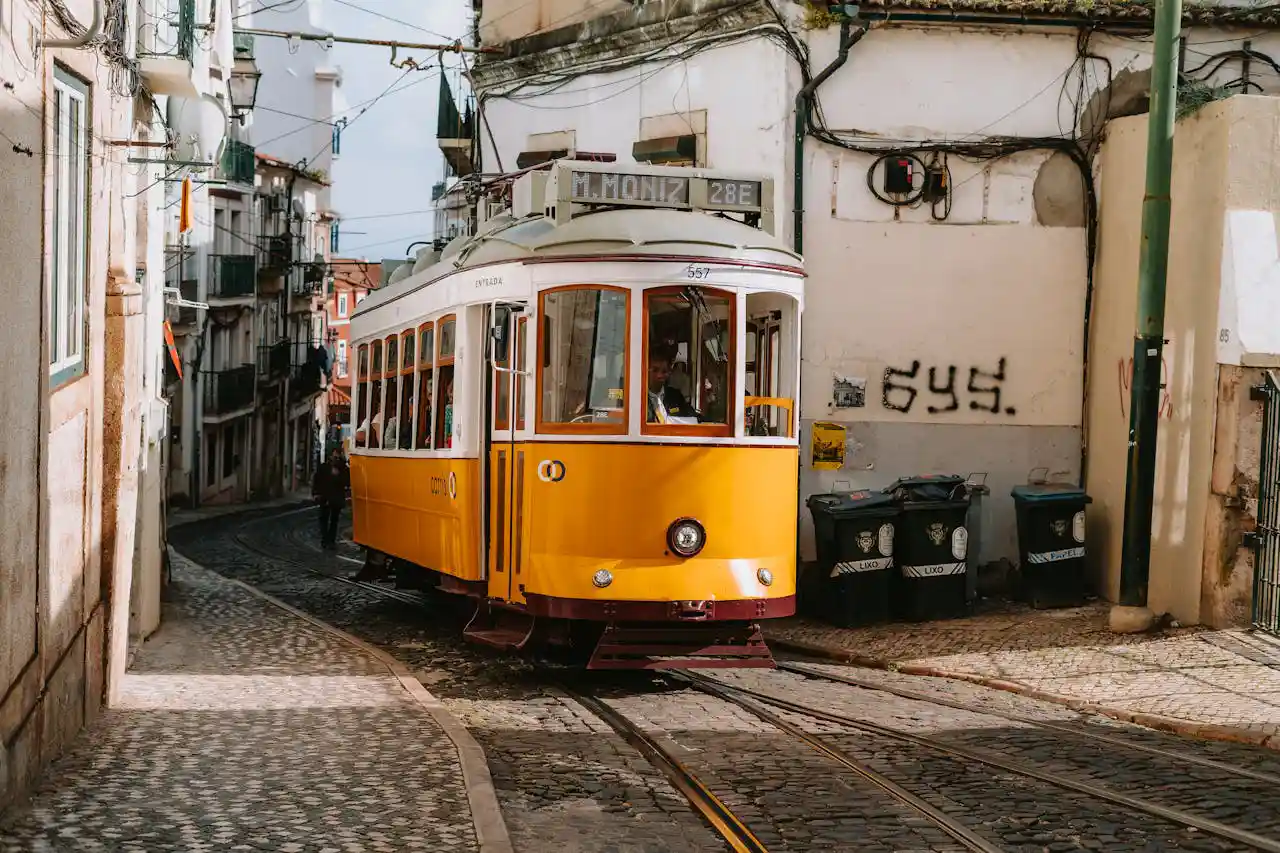
Easily reached by the famous Tram 28, Miradouro da Graça is a must stop for panoramic view of the castle, Alfama and central Lisbon. Grab a coffee at the open air cafe and mingle with tourists and local.
The name “Graça” translates in English to “grace,” and the church, originally built in the 14th century, adds a historic touch to the area.
Easily reached by the famous Tram 28, Miradouro da Graça is a must stop for panoramic view of the castle, Alfama and central Lisbon. Grab a coffee at the open air cafe and mingle with tourists and local.
The name “Graça” translates in English to “grace,” and the church, originally built in the 14th century, adds a historic touch to the area.

🌆 What You’ll See
São Jorge Castle
The Mouraria neighbourhood and Martim Moniz plaza
Carmo Church
Tejo estuary and Ponte 25 de Abril bridge
Even Monsanto Forest and the Amoreiras Towers are visible
São Jorge Castle
The Mouraria neighbourhood and Martim Moniz plaza
Carmo Church
Tejo estuary and Ponte 25 de Abril bridge
Even Monsanto Forest and the Amoreiras Towers are visible
☕ Relax and Enjoy
The viewpoint is complemented by the Esplanada da Graça, a charming café where you can enjoy a coffee or a glass of wine under the shade of pine trees. The area often features live music, adding to its vibrant yet relaxed atmosphere.
The viewpoint is complemented by the Esplanada da Graça, a charming café where you can enjoy a coffee or a glass of wine under the shade of pine trees. The area often features live music, adding to its vibrant yet relaxed atmosphere.
🕒 Best Time to Visit
Golden Hour: Late Afternoon to Sunset
When: Around 5:30 PM – 8:30 PM (varies by season)
Why: The warm, glowing light makes the city sparkle, perfect for photos and enjoying the view as Lisbon winds down.
☕ Weekday Mornings: Peaceful and Quiet
When: 9:00 AM – 11:00 AM
Why: Fewer crowds, cooler temperatures, and a tranquil vibe ideal for a calm start to your day.
Bonus: Great light for photos without the midday glare.
🚫 Avoid
Midday in summer (12 PM – 3 PM): Hot, bright, and crowded.
Weekend afternoons: Popular with locals and tourists, expect limited seating and longer waits at the café.
Golden Hour: Late Afternoon to Sunset
When: Around 5:30 PM – 8:30 PM (varies by season)
Why: The warm, glowing light makes the city sparkle, perfect for photos and enjoying the view as Lisbon winds down.
☕ Weekday Mornings: Peaceful and Quiet
When: 9:00 AM – 11:00 AM
Why: Fewer crowds, cooler temperatures, and a tranquil vibe ideal for a calm start to your day.
Bonus: Great light for photos without the midday glare.
🚫 Avoid
Midday in summer (12 PM – 3 PM): Hot, bright, and crowded.
Weekend afternoons: Popular with locals and tourists, expect limited seating and longer waits at the café.
Stop 10 – Miradouro da Senhora do Monte
This viewpoint was a secret but it is now definitely on the tour guide and tuk tuk hit list.
Located close to Miradouro da Graça, this viewpoint is its smaller sister.
The name is “Our Lady of the Mount” in English and it has several Christian monuments. The miradouro gives a stunning 180 degree panoramic view of the city as it is one of the highest spots in Lisbon.
Located close to Miradouro da Graça, this viewpoint is its smaller sister.
The name is “Our Lady of the Mount” in English and it has several Christian monuments. The miradouro gives a stunning 180 degree panoramic view of the city as it is one of the highest spots in Lisbon.
🌆 What You’ll See
Castelo de São Jorge
Baixa district
Mouraria neighborhood
Ponte 25 de Abril bridge
Cristo Rei statue
Tagus River estuary
A tile panel helps identify these landmarks, enhancing your viewing experience.
Castelo de São Jorge
Baixa district
Mouraria neighborhood
Ponte 25 de Abril bridge
Cristo Rei statue
Tagus River estuary
A tile panel helps identify these landmarks, enhancing your viewing experience.
🕍 A Glimpse into the Past
Just beside the viewpoint lies the modest Chapel of Nossa Senhora do Monte, a quiet 18th century sanctuary steeped in local lore. While usually closed to the public, it sometimes opens in the late afternoons for curious visitors. Inside, you’ll find a centuries-old stone seat said to bring good fortune to expectant mothers, a superstition once favored by Portuguese nobility.
Just beside the viewpoint lies the modest Chapel of Nossa Senhora do Monte, a quiet 18th century sanctuary steeped in local lore. While usually closed to the public, it sometimes opens in the late afternoons for curious visitors. Inside, you’ll find a centuries-old stone seat said to bring good fortune to expectant mothers, a superstition once favored by Portuguese nobility.
🌇 Best Time to Visit
The viewpoint faces west, making it an ideal spot for sunset views. While summer sunsets may be partially obscured by the Bairro Alto hills, autumn offers clear views of the sun setting behind the Tagus Estuary, casting a magical glow over the city.
The viewpoint faces west, making it an ideal spot for sunset views. While summer sunsets may be partially obscured by the Bairro Alto hills, autumn offers clear views of the sun setting behind the Tagus Estuary, casting a magical glow over the city.
Jump On The Tram 28
From Graça, hop aboard the iconic Tram 28 to give your legs a break as we make our way to the next stop in our Alfama walking tour itinerary.
Stop 11 – Musem & Monastery of São Vicente de Fora
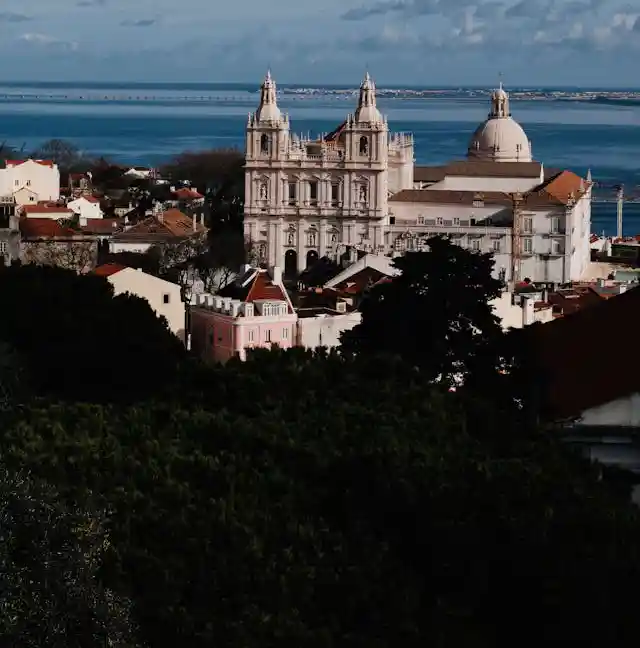
Tucked away from the typical tourist trail, the Monastery of São Vicente de Fora is one of Lisbon’s most rewarding hidden gems. Founded in 1147 by Portugal’s first king, Afonso Henriques, and dedicated to the city’s patron saint, Saint Vincent of Saragossa, this majestic complex has long stood just “outside the walls” of the old city, a quiet guardian of centuries past.
A solemn yet captivating site, this is where Portugal’s last royal family rests. Stepping into this hallowed space offers a rare and poignant window into the country’s regal past, allowing visitors to reflect on the legacy of the Braganza dynasty.
A solemn yet captivating site, this is where Portugal’s last royal family rests. Stepping into this hallowed space offers a rare and poignant window into the country’s regal past, allowing visitors to reflect on the legacy of the Braganza dynasty.
🎨 Highlights & Collections
Azulejo Tile Collection: Home to one of the largest in-situ collections of Baroque azulejos (glazed tiles) in the world, including the renowned “Gallery of Fables,” which illustrates 38 tales by Jean de La Fontaine.
Architectural Features: Visitors can explore the ornate sacristy adorned with inlaid marbles, a functioning medieval cistern, and enjoy panoramic views of Lisbon from the monastery’s rooftop terrace.
Azulejo Tile Collection: Home to one of the largest in-situ collections of Baroque azulejos (glazed tiles) in the world, including the renowned “Gallery of Fables,” which illustrates 38 tales by Jean de La Fontaine.
Architectural Features: Visitors can explore the ornate sacristy adorned with inlaid marbles, a functioning medieval cistern, and enjoy panoramic views of Lisbon from the monastery’s rooftop terrace.
🕰️ Opening Hours
Opening Hours: Open daily from 10:00 AM to 6:00 PM. Last admission at 5:00 PM.
Closed On: January 1st, Good Friday, Easter Sunday, May 1st, December 24th, 25th, and 31st.
Opening Hours: Open daily from 10:00 AM to 6:00 PM. Last admission at 5:00 PM.
Closed On: January 1st, Good Friday, Easter Sunday, May 1st, December 24th, 25th, and 31st.
💶 Ticket Prices
Adults: €8
Seniors (65+): €6
Youth (under 25): €4
Children (under 12): Free
Lisboa Card holders: €6
Guided tour supplement: €4
Adults: €8
Seniors (65+): €6
Youth (under 25): €4
Children (under 12): Free
Lisboa Card holders: €6
Guided tour supplement: €4
Botto Machado Garden, Mercado de Santa Clara & Feira Da Ladra
Botto Machado Garden is located next to the National Pantheon and is where the flea market, Feira De Ladra, takes place.
The garden is a tranquil spot with views of the river, plenty of shade, dog and kid park and a cute cafe. It is a locals favourite hang out place.
Feira Da Ladra is translated to the “theives market” in English. Vendors literally sell anything and everything, from antiques to clothes to plastic toys. It is open on Tuesday and Saturday. You can also visit the Mercado De Santa Clara on market days.
The garden is a tranquil spot with views of the river, plenty of shade, dog and kid park and a cute cafe. It is a locals favourite hang out place.
Feira Da Ladra is translated to the “theives market” in English. Vendors literally sell anything and everything, from antiques to clothes to plastic toys. It is open on Tuesday and Saturday. You can also visit the Mercado De Santa Clara on market days.
Stop 12 – National Pantheon
The National Pantheon or Church of Santa Engrácia was built in the17th-century and is the burial place of many important Portuguese personalities. Including notable individuals such as the famous Fado singer Amália Rodrigues, Vasco da Gama – the explorer and the famous Portuguese footballer Eusébio da Silva Ferreira.
It was originally built as a church, but it became a pantheon in the 20th century. The church’s construction began in 1556 and the building wasn’t completed until 1716, that’s two centuries it took to complete. The dome was added later in the 18th century.
The design is baroque and the interior features beautiful marble and baroque decoration, with various chapels and altars. The iconic dome of the Pantheon is also a significant feature, with an impressive 20-meter diameter. Visitiors can actually go up to the dome and view the rooftops of Lisbon, however as someone who is only 1.63 meters I strugged to see over the marble balustrade ( the decorative railing).
Impressively the white dome can be viewed from the Portas Do Sol Miradouro. This is one of our favorite things to do on our Alfama walking tour itinerary
It was originally built as a church, but it became a pantheon in the 20th century. The church’s construction began in 1556 and the building wasn’t completed until 1716, that’s two centuries it took to complete. The dome was added later in the 18th century.
The design is baroque and the interior features beautiful marble and baroque decoration, with various chapels and altars. The iconic dome of the Pantheon is also a significant feature, with an impressive 20-meter diameter. Visitiors can actually go up to the dome and view the rooftops of Lisbon, however as someone who is only 1.63 meters I strugged to see over the marble balustrade ( the decorative railing).
Impressively the white dome can be viewed from the Portas Do Sol Miradouro. This is one of our favorite things to do on our Alfama walking tour itinerary

🎨 Highlights & Collections
The Royal Tombs: Beneath the soaring dome lies the final resting place of Portugal’s most influential figures, from presidents to monarchs. The tombs of Amália Rodrigues, the beloved fado singer, and Vasco da Gama, the legendary explorer, are among the most visited.
The Impressive Dome: One of Lisbon’s architectural marvels, the Pantheon’s dome offers magnificent views of the city from above, providing a perfect vantage point for photos and reflection.
Baroque Frescoes & Marble Details: The church’s interior is adorned with intricate Baroque frescoes, gilded altarpieces, and finely-carved marble columns, creating an awe-inspiring atmosphere for those interested in art and architecture.
The Royal Tombs: Beneath the soaring dome lies the final resting place of Portugal’s most influential figures, from presidents to monarchs. The tombs of Amália Rodrigues, the beloved fado singer, and Vasco da Gama, the legendary explorer, are among the most visited.
The Impressive Dome: One of Lisbon’s architectural marvels, the Pantheon’s dome offers magnificent views of the city from above, providing a perfect vantage point for photos and reflection.
Baroque Frescoes & Marble Details: The church’s interior is adorned with intricate Baroque frescoes, gilded altarpieces, and finely-carved marble columns, creating an awe-inspiring atmosphere for those interested in art and architecture.
🕰️ Opening Hours
Open Daily: 10:00 AM – 6:00 PM
Last Admission: 5:00 PM
Closed on: January 1st, Good Friday, Easter Sunday, May 1st, December 24th, 25th, and 31st
Open Daily: 10:00 AM – 6:00 PM
Last Admission: 5:00 PM
Closed on: January 1st, Good Friday, Easter Sunday, May 1st, December 24th, 25th, and 31st
💶 Admission Fees
Adults: €8
Seniors (65+): €6
Youth (under 25): €4
Children (under 12): Free
Lisboa Card Holders: €6
Guided Tour Supplement: €4
Free Admission: Available on the first Sunday of each month for residents of Portugal, as well as for school groups, catechesis groups, and scout groups (with prior appointment and authorisation)
Adults: €8
Seniors (65+): €6
Youth (under 25): €4
Children (under 12): Free
Lisboa Card Holders: €6
Guided Tour Supplement: €4
Free Admission: Available on the first Sunday of each month for residents of Portugal, as well as for school groups, catechesis groups, and scout groups (with prior appointment and authorisation)
Stop 13 – Fado Museum
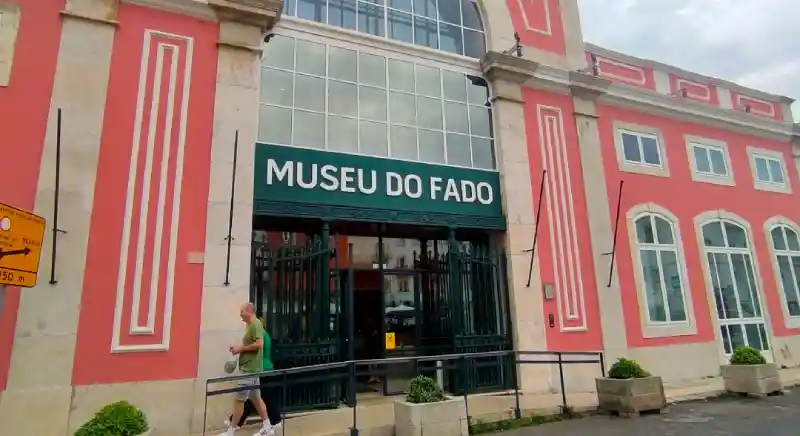
One of the most famous Fado singers of all time was Amelia and you will find the art work “Wall Of Amália Rodrigues’ by Vhils in Alfama.
At the Fado museum you can find more information on Amelia and other Fado artists.
Opened on the 25 September 1998 the Fado Museum has been providing cultural events and educating tourists on Lisbon’s Fado song universe.
At the Fado museum you can find more information on Amelia and other Fado artists.
Opened on the 25 September 1998 the Fado Museum has been providing cultural events and educating tourists on Lisbon’s Fado song universe.
🕰️ Opening Hours
Tuesday to Sunday: 10:00 AM – 6:00 PM
(Last admission at 5:30 PM)
Closed on Mondays
Tuesday to Sunday: 10:00 AM – 6:00 PM
(Last admission at 5:30 PM)
Closed on Mondays
🎟️ Admission Prices
Adults (26–64 years): €5.00
Youth (13–25 years): €2.50
Seniors (65+): €4.30
Children (0–12 years): Free
Lisboa Card holders: €4.00
Carristour ticket holders: €3.50
People with disabilities (with escort): €4.30
Adults (26–64 years): €5.00
Youth (13–25 years): €2.50
Seniors (65+): €4.30
Children (0–12 years): Free
Lisboa Card holders: €4.00
Carristour ticket holders: €3.50
People with disabilities (with escort): €4.30
Now its time to enjoy the beauty of the Alfama neighbourhood.
We highly recommend how enjoyable it is to spend a few hours getting lost in the winding streets of Alfama soaking up the areas delightful history.
Next you can enjoy the Alfama walking tour itinerary at will.
We highly recommend how enjoyable it is to spend a few hours getting lost in the winding streets of Alfama soaking up the areas delightful history.
Next you can enjoy the Alfama walking tour itinerary at will.
Old Alfama Square
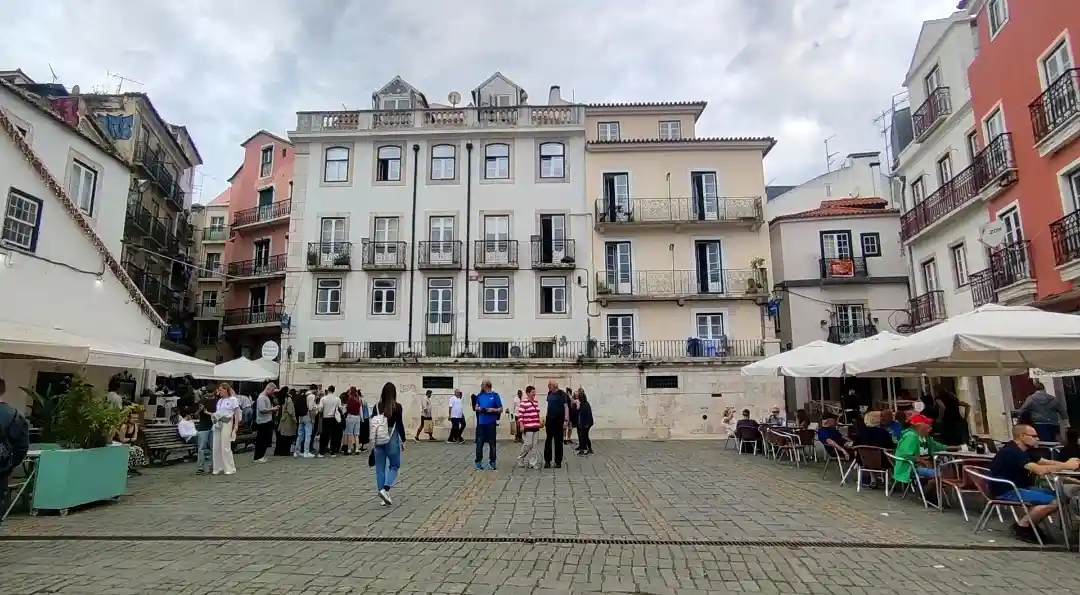
Praça do São Vicente de Fora, or Old Alfama Square, is one of those quiet, charming corners of Lisbon that feels like a step back in time. Tucked away in the heart of Alfama, this historic square is the perfect place to catch your breath and escape the hustle and bustle of modern Lisbon.
Dating back to the 8th century during the Moorish era, Praça do São Vicente de Fora is one of Lisbon’s oldest public spaces. The “de Fora” part of its name means “outside,” referencing its position beyond the original city walls.
Praça do São Vicente de Fora remains a lively part of daily life in Alfama. Local residents frequent the square, and its cafes offer a glimpse into the neighbourhood’s traditional way of life.
Dating back to the 8th century during the Moorish era, Praça do São Vicente de Fora is one of Lisbon’s oldest public spaces. The “de Fora” part of its name means “outside,” referencing its position beyond the original city walls.
Praça do São Vicente de Fora remains a lively part of daily life in Alfama. Local residents frequent the square, and its cafes offer a glimpse into the neighbourhood’s traditional way of life.
Explore The Winding Streets Of Alfama
Alfama can trace its history back to the beginnings of Lisbon, in fact during Moorish times Alfama was considered to be the whole of Lisbon.
The area has seen many influences, none more so than the Moorish settlers. The name is a derivative of Arabic Al-hamma meaning “hot fountains” or “baths”.
Amazingly the 1755 Lisbon earthquake did not destroy the area and thus the area has kept its small winding streets and secret little squares.
Alfama is synonymous with Fado. The story of fado is one of late-night tavern magic, gossip, and passion. Born in the 19th century among sailors, tavern goers, and love struck poets, fado flourished in Alfama’s smoky bars where voices cracked with saudade, a kind of sweet, aching longing that only the Portuguese could invent a word for.
Some say it began with women singing their sorrows while waiting for fishermen to return. Others insist it was the sailors, pining for land, love, or just the next round. Either way, Alfama’s fado isn’t museum music, it’s well and truly alive.
The area has seen many influences, none more so than the Moorish settlers. The name is a derivative of Arabic Al-hamma meaning “hot fountains” or “baths”.
Amazingly the 1755 Lisbon earthquake did not destroy the area and thus the area has kept its small winding streets and secret little squares.
Alfama is synonymous with Fado. The story of fado is one of late-night tavern magic, gossip, and passion. Born in the 19th century among sailors, tavern goers, and love struck poets, fado flourished in Alfama’s smoky bars where voices cracked with saudade, a kind of sweet, aching longing that only the Portuguese could invent a word for.
Some say it began with women singing their sorrows while waiting for fishermen to return. Others insist it was the sailors, pining for land, love, or just the next round. Either way, Alfama’s fado isn’t museum music, it’s well and truly alive.
Miradouro de Santo Estêvão
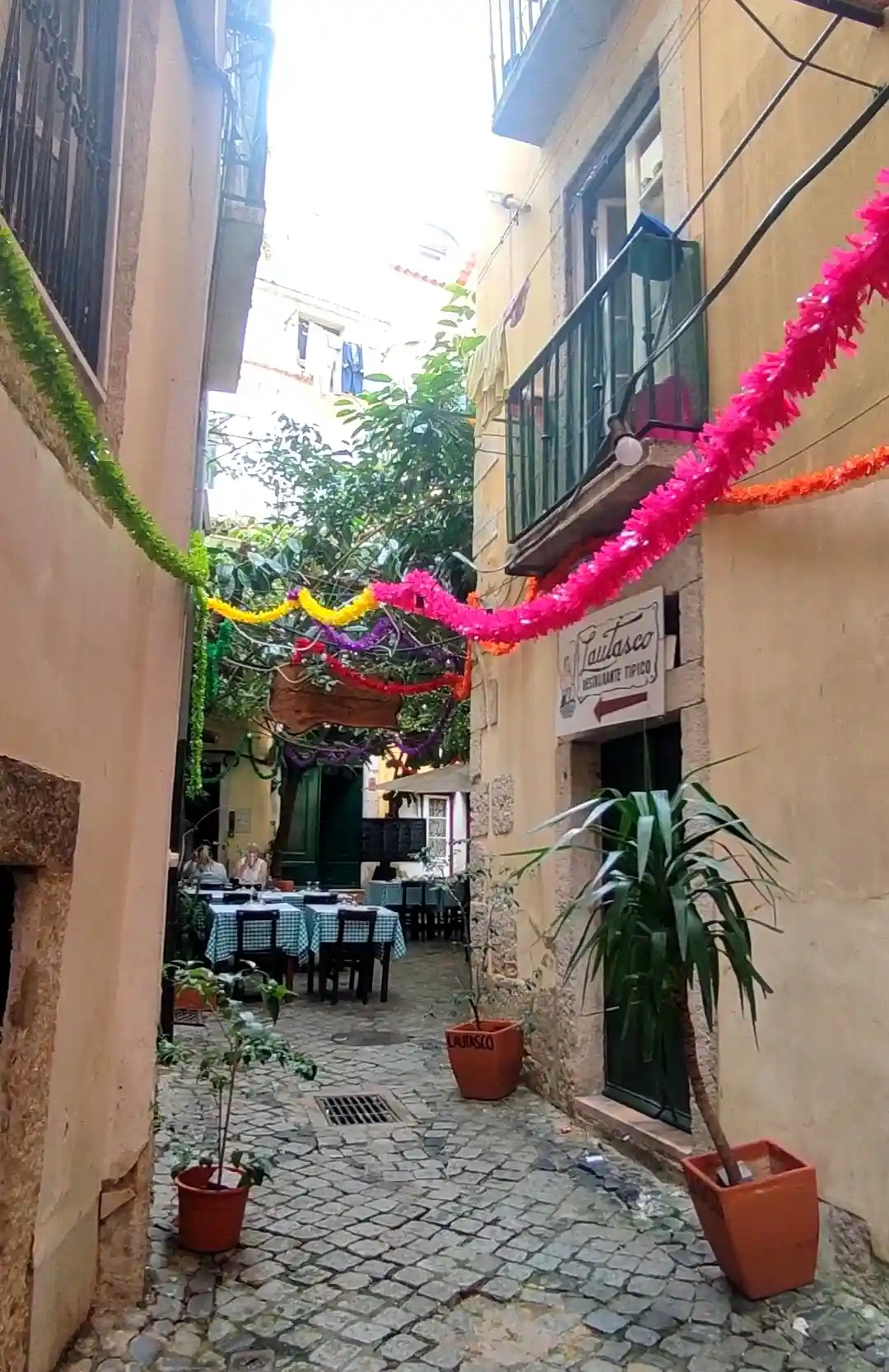
Miradouro de Santo Estêvão is the kind of hidden gem that rewards those willing to seek it out.
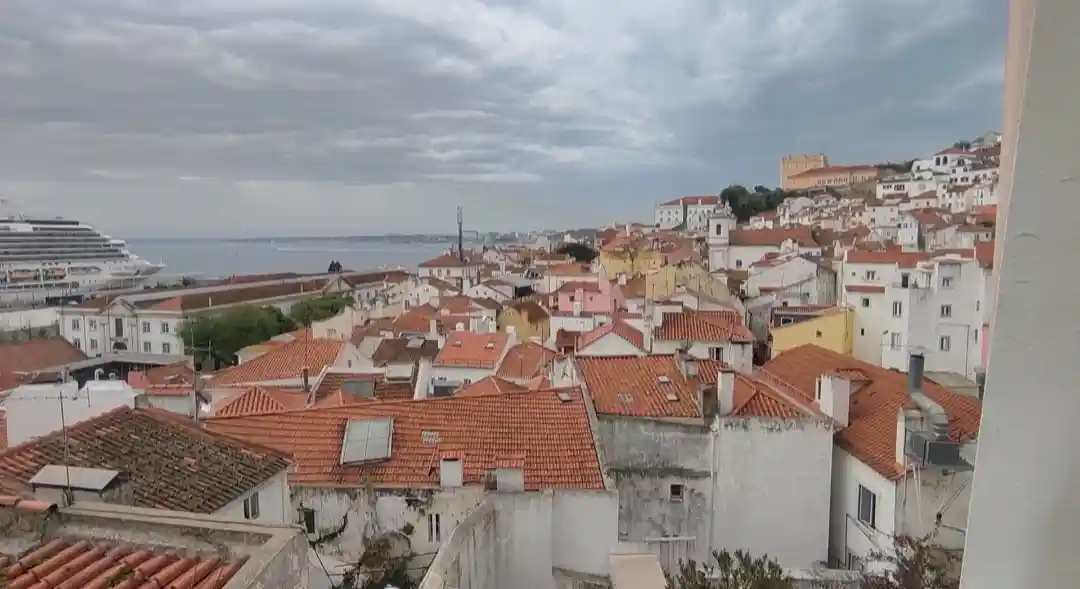
Perched above the winding streets of Alfama, this viewpoint offers sweeping views of the Tagus River.
It’s usually much quieter than the more famous miradouros, giving you the perfect spot to chill and take in the sights. A must-visit for those craving a peaceful slice of the city!
Perched above the winding streets of Alfama, this viewpoint offers sweeping views of the Tagus River.
It’s usually much quieter than the more famous miradouros, giving you the perfect spot to chill and take in the sights. A must-visit for those craving a peaceful slice of the city!
Casa São Miguel – Doçaria Regional Portuguesa
Casa São Miguel is a charming café in Alfama. Customers can choose from a delightful array of traditional Portuguese pastries.
They even produce their own nata a less-sweet, hearty-crusted pastel de nata.
Choose from a vast array of Portuguese cakes not just Lisbon specific. Many regions in Portugal have their own tasty cakes and sweets. The cakes are a perfect reflection of the country’s rich cultural and gastronomic traditions.
All served in a cozy, Art Nouveau inspired setting adorned with antique porcelain and vintage décor.
It truly is a delicious way to enjoy the tastes of Portugal.
They even produce their own nata a less-sweet, hearty-crusted pastel de nata.
Choose from a vast array of Portuguese cakes not just Lisbon specific. Many regions in Portugal have their own tasty cakes and sweets. The cakes are a perfect reflection of the country’s rich cultural and gastronomic traditions.
All served in a cozy, Art Nouveau inspired setting adorned with antique porcelain and vintage décor.
It truly is a delicious way to enjoy the tastes of Portugal.

Sharing Is Caring ❤️
Map The Ultimate 2026 Alfama Walking Tour Itinerary
Book Activities in Lisbon
-
 In stock€620.00
 -
In stock€755.00
-
In stock€720.00
-
In stock€1,400.00





































Lisbon Weather
LISBOA WEATHERHow To Get To Lisbon
By Air ✈️
Humberto Delgado Airport (LIS) is Lisbon’s main international airport.
Direct flights from major European cities and worldwide destinations.
Take the metro (Red Line), a bus, or an Bolt to the city centre, expect to pay around 10-15 euros.
Humberto Delgado Airport (LIS) is Lisbon’s main international airport.
Direct flights from major European cities and worldwide destinations.
Take the metro (Red Line), a bus, or an Bolt to the city centre, expect to pay around 10-15 euros.
By Train 🚆
From Porto, Algarve, and other Portuguese cities: Take the Alfa Pendular (AP) or Intercidades (IC) train to Lisbon’s Oriente or Santa Apolónia stations.
From Spain: Night trains and connections via Madrid or Vigo offer routes to Lisbon.
From Porto, Algarve, and other Portuguese cities: Take the Alfa Pendular (AP) or Intercidades (IC) train to Lisbon’s Oriente or Santa Apolónia stations.
From Spain: Night trains and connections via Madrid or Vigo offer routes to Lisbon.
By Bus 🚌
Companies like FlixBus, ALSA, Rede Expressos provide routes from major cities across Portugal and Europe.
Buses from Porto to Lisbon take about 3-4 hours.
Companies like FlixBus, ALSA, Rede Expressos provide routes from major cities across Portugal and Europe.
Buses from Porto to Lisbon take about 3-4 hours.
By Car 🚗
From Porto, take the A1 motorway (about 3 hours).
From Spain, the A6 and A5 motorways connect Lisbon to Madrid and beyond.
From Porto, take the A1 motorway (about 3 hours).
From Spain, the A6 and A5 motorways connect Lisbon to Madrid and beyond.
By Boat 🚢
Cruise ships dock at Lisbon’s Port, near the city center.
Tagus River cruises are a great way to arrive in style from nearby coastal towns.
Cruise ships dock at Lisbon’s Port, near the city center.
Tagus River cruises are a great way to arrive in style from nearby coastal towns.
When To Visit Lisbon?
What are the Best Months To Visit Lisbon?
Late April, May, June & July
* The weather is warm but not too hot: May (18-22°C), June (20-25°C), July (25-30°C).
* You will get sunny days with little rain, that are perfect for walking around the city and enjoying the Douro River.
*Santo António Festival (June 12-13): Lisbon’s biggest celebration fills the streets with vibrant parades, lively music, and the delicious aroma of grilled sardines. Join the fun as people dance, sing, and enjoy the city’s most festive night! This is one of the best things to do in Lisbon.
*Summer Sunsets in Lisbon: During these months, the sun sets around 9 PM, giving you extra time to explore the city’s viewpoints, enjoy a sunset cruise on the Tagus River, and discover hidden gems in Lisbon’s charming neighborhoods.
Late April, May, June & July
* The weather is warm but not too hot: May (18-22°C), June (20-25°C), July (25-30°C).
* You will get sunny days with little rain, that are perfect for walking around the city and enjoying the Douro River.
*Santo António Festival (June 12-13): Lisbon’s biggest celebration fills the streets with vibrant parades, lively music, and the delicious aroma of grilled sardines. Join the fun as people dance, sing, and enjoy the city’s most festive night! This is one of the best things to do in Lisbon.
*Summer Sunsets in Lisbon: During these months, the sun sets around 9 PM, giving you extra time to explore the city’s viewpoints, enjoy a sunset cruise on the Tagus River, and discover hidden gems in Lisbon’s charming neighborhoods.
One Day Lisbon Itinerary Ideas
1️⃣ Visit Rossio Railway Station – Admire its stunning neo-Manueline architecture.
2️⃣ Discover Sé de Lisboa – Lisbon’s historic cathedral with breathtaking views of the city.
3️⃣ Step Inside São Roque Church – A hidden gem with one of the most extravagant baroque interiors.
4️⃣ Explore Alfama District – Wander through the charming, narrow streets of Lisbon’s oldest neighborhood.
5️⃣ Walk Across Ponte 25 de Abril – Lisbon’s iconic suspension bridge, often compared to San Francisco’s Golden Gate.
6️⃣ Try Pastel de Nata – Taste Portugal’s famous custard tarts at the legendary Pastéis de Belém.
7️⃣ Take a Tagus River Cruise – Enjoy Lisbon’s skyline from the water at sunset.
8️⃣ Find One of Lisbon’s Best Hidden Gems – The secret viewpoint at Miradouro de Santa Catarina, perfect for a relaxing drink with a view.
2️⃣ Discover Sé de Lisboa – Lisbon’s historic cathedral with breathtaking views of the city.
3️⃣ Step Inside São Roque Church – A hidden gem with one of the most extravagant baroque interiors.
4️⃣ Explore Alfama District – Wander through the charming, narrow streets of Lisbon’s oldest neighborhood.
5️⃣ Walk Across Ponte 25 de Abril – Lisbon’s iconic suspension bridge, often compared to San Francisco’s Golden Gate.
6️⃣ Try Pastel de Nata – Taste Portugal’s famous custard tarts at the legendary Pastéis de Belém.
7️⃣ Take a Tagus River Cruise – Enjoy Lisbon’s skyline from the water at sunset.
8️⃣ Find One of Lisbon’s Best Hidden Gems – The secret viewpoint at Miradouro de Santa Catarina, perfect for a relaxing drink with a view.
Lisbon Itinerary Ideas 2 Days
Day One – Exploring Lisbon
1️⃣ Discover Belém – Visit the Belém Tower and Jerónimos Monastery, two of Lisbon’s most iconic landmarks.
2️⃣Explore LX Factory – A trendy creative hub filled with street art, unique shops, and great cafés.
3️⃣ Stroll Along the River to Cais do Sodré – Enjoy a scenic walk along the Tagus River, passing street performers, cafés, and great viewpoints.
4️⃣Walk Along Praça do Comércio – One of the most beautiful squares in Europe, right by the river.
5️⃣ Explore Alfama District – Stroll through the oldest and most charming neighborhood of Lisbon.
6️⃣ Try Pastel de Nata – Indulge in Lisbon’s famous custard tart at Pastéis de Belém.
7️⃣ Take a Tagus River Sunset Cruise – Enjoy breathtaking views of the city from the water.
8️⃣ Hidden Gem Alert! – End your day at Miradouro de Santa Catarina, a secret viewpoint with stunning sunset views.
1️⃣ Discover Belém – Visit the Belém Tower and Jerónimos Monastery, two of Lisbon’s most iconic landmarks.
2️⃣Explore LX Factory – A trendy creative hub filled with street art, unique shops, and great cafés.
3️⃣ Stroll Along the River to Cais do Sodré – Enjoy a scenic walk along the Tagus River, passing street performers, cafés, and great viewpoints.
4️⃣Walk Along Praça do Comércio – One of the most beautiful squares in Europe, right by the river.
5️⃣ Explore Alfama District – Stroll through the oldest and most charming neighborhood of Lisbon.
6️⃣ Try Pastel de Nata – Indulge in Lisbon’s famous custard tart at Pastéis de Belém.
7️⃣ Take a Tagus River Sunset Cruise – Enjoy breathtaking views of the city from the water.
8️⃣ Hidden Gem Alert! – End your day at Miradouro de Santa Catarina, a secret viewpoint with stunning sunset views.
Day Two – Day Trip to Sintra
1️⃣ Visit Palácio da Pena – Sintra’s fairy-tale palace with colorful towers and breathtaking views.
2️⃣ Explore Quinta da Regaleira – A mystical estate with hidden tunnels and the famous Initiation Well.
3️⃣ Check Out Castelo dos Mouros – A medieval hilltop fortress with panoramic views.
4️⃣ Wander Through Sintra’s Historic Center – Discover charming streets and traditional Portuguese pastries.
5️⃣ Visit Palácio de Monserrate – A lesser-known gem with stunning architecture and lush gardens.
6️⃣ Try Travesseiros de Sintra – A delicious local pastry you can’t miss.
7️⃣ Relax at Praia da Adraga – If time allows, head to this breathtaking beach just outside Sintra.
1️⃣ Visit Palácio da Pena – Sintra’s fairy-tale palace with colorful towers and breathtaking views.
2️⃣ Explore Quinta da Regaleira – A mystical estate with hidden tunnels and the famous Initiation Well.
3️⃣ Check Out Castelo dos Mouros – A medieval hilltop fortress with panoramic views.
4️⃣ Wander Through Sintra’s Historic Center – Discover charming streets and traditional Portuguese pastries.
5️⃣ Visit Palácio de Monserrate – A lesser-known gem with stunning architecture and lush gardens.
6️⃣ Try Travesseiros de Sintra – A delicious local pastry you can’t miss.
7️⃣ Relax at Praia da Adraga – If time allows, head to this breathtaking beach just outside Sintra.
Other Lisbon Travel Guides
Best Areas To Stay in Lisbon
16 Rooftop Bars Lisbon
Lisbon Fun Facts
Essential Travel Tips Lisbon
20 Things To Do In Lisbon
Best Day Trips From Lisbon
Things to do in Lisbon on a rainy day
Things To Do At Santo Antonio Festival
50 Fun Things To Do in Lisbon
Whats The Best Time To Visit Lisbon
Top 10 Things Tourists Should Never Do in Lisbon
Safety In Lisbon
Sports Bars Lisbon
Craft Beer Bars Lisbon
Ways To Travel In Lisbon
Things To Do In Monsanto Lisbon
Brunch Spots in Lisbon
10 Things To Do In Belem
Closest Beaches from Central Lisbon
Best Viewpoints in Lisbon
Things To Do In Alfama
Things To Do In Parque Das Nacoes
16 Rooftop Bars Lisbon
Lisbon Fun Facts
Essential Travel Tips Lisbon
20 Things To Do In Lisbon
Best Day Trips From Lisbon
Things to do in Lisbon on a rainy day
Things To Do At Santo Antonio Festival
50 Fun Things To Do in Lisbon
Whats The Best Time To Visit Lisbon
Top 10 Things Tourists Should Never Do in Lisbon
Safety In Lisbon
Sports Bars Lisbon
Craft Beer Bars Lisbon
Ways To Travel In Lisbon
Things To Do In Monsanto Lisbon
Brunch Spots in Lisbon
10 Things To Do In Belem
Closest Beaches from Central Lisbon
Best Viewpoints in Lisbon
Things To Do In Alfama
Things To Do In Parque Das Nacoes
Best Hotels in Lisbon
Accommodation
Star Rating
Top Reviewed
5 Star
5 Star
5 Star
4 Star
4 Star
4 Star
3 Star
3 Star
3 Star
2 Star
2 Star
2 Star
5 Star
5 Star
4 Star
4 Star
4 Star
3 Star
3 Star
3 Star
2 Star
2 Star
2 Star
9.3
9.3
9.3
9.6
9.6
9.5
9.5
9.3
9.3
8.5
8.6
8.3
9.3
9.3
9.6
9.6
9.5
9.5
9.3
9.3
8.5
8.6
8.3
Things to Know Before You Go
The Weather Can Be Unpredictable During Winter & Spring
Lisbon enjoys a mild climate, but the weather can be unpredictable, especially in the winter and spring months.
It’s always a good idea to carry a light jacket or an umbrella, even if the forecast looks clear, and dress in layers to stay comfortable throughout the day.
Lisbon is Walkable, But Be Ready for Hills, 7 of them Actually
Lisbon is a fantastic city to explore on foot, but be prepared for steep hills and cobblestone streets! Neighborhoods like Alfama, Bairro Alto, and Chiado have plenty of inclines, staircases, and narrow alleys.
Top Lisbon Travel Tip, make sure to wear comfortable shoes and get ready for a bit of a leg workout as you discover the city’s hidden corners and breathtaking viewpoints. 🚶♂️
Tipping is Appreciated but Not Obligatory
In Lisbon, tipping is appreciated but not mandatory. In restaurants, a tip of around 5-10% is common, especially if the service is good. In cafes and bars, leaving a few coins is also a nice gesture, given the minimu wage in Portugal is still under 900 euros in 2025.
Credit Cards Not Widely Accepted
While Visa and Mastercard are accepted almost everywhere, American Express, UnionPay, and Discover may not be accepted at smaller shops or restaurants. It’s a good idea to carry cash or use payment apps like Apple Pay or Google Pay as alternatives.
Safety In Lisbon
Lisbon is generally a safe city for tourists, with low crime rates. However, be cautious of pickpockets in crowded areas like trams and markets. Avoid dark, isolated spots at night, and always keep an eye on your belongings.
In case you need them the Tourist Police Station in Lisbon is located near the Cruise Ship Docking, which is a central and busy area for tourists. The specific address is:
Polícia de Turismo
Doca, Terminal de Cruzeiros de Lisboa, Edifício SW, R. do Jardim do Tabaco, 1000-651 Lisboa
Lisbon enjoys a mild climate, but the weather can be unpredictable, especially in the winter and spring months.
It’s always a good idea to carry a light jacket or an umbrella, even if the forecast looks clear, and dress in layers to stay comfortable throughout the day.
Lisbon is Walkable, But Be Ready for Hills, 7 of them Actually
Lisbon is a fantastic city to explore on foot, but be prepared for steep hills and cobblestone streets! Neighborhoods like Alfama, Bairro Alto, and Chiado have plenty of inclines, staircases, and narrow alleys.
Top Lisbon Travel Tip, make sure to wear comfortable shoes and get ready for a bit of a leg workout as you discover the city’s hidden corners and breathtaking viewpoints. 🚶♂️
Tipping is Appreciated but Not Obligatory
In Lisbon, tipping is appreciated but not mandatory. In restaurants, a tip of around 5-10% is common, especially if the service is good. In cafes and bars, leaving a few coins is also a nice gesture, given the minimu wage in Portugal is still under 900 euros in 2025.
Credit Cards Not Widely Accepted
While Visa and Mastercard are accepted almost everywhere, American Express, UnionPay, and Discover may not be accepted at smaller shops or restaurants. It’s a good idea to carry cash or use payment apps like Apple Pay or Google Pay as alternatives.
Safety In Lisbon
Lisbon is generally a safe city for tourists, with low crime rates. However, be cautious of pickpockets in crowded areas like trams and markets. Avoid dark, isolated spots at night, and always keep an eye on your belongings.
In case you need them the Tourist Police Station in Lisbon is located near the Cruise Ship Docking, which is a central and busy area for tourists. The specific address is:
Polícia de Turismo
Doca, Terminal de Cruzeiros de Lisboa, Edifício SW, R. do Jardim do Tabaco, 1000-651 Lisboa

Written by Clara R.
“I’ve been lucky enough to call Portugal home since 2011, living in the Algarve, Lisbon, and the Porto area. Every year, I make it a mission to travel around this beautiful country, discovering new places, hidden gems, and the best local spots. Portugal never stops surprising me!.”