18 Things To Do In Guimarães
Often called the birthplace of Portugal, Guimarães is a city where history is seeping from every corner. With its medieval streets, castle towers and vibrant plazas, this UNESCO World Heritage site blends centuries of tradition with youthful energy.
Guimarães invites you to slow down and explore where Portugal’s story began. Join us as we cover 18 Things To Do In Guimarães
Guimarães invites you to slow down and explore where Portugal’s story began. Join us as we cover 18 Things To Do In Guimarães
18 Things To Do In Guimarães
show
Guimarães Historic Centre
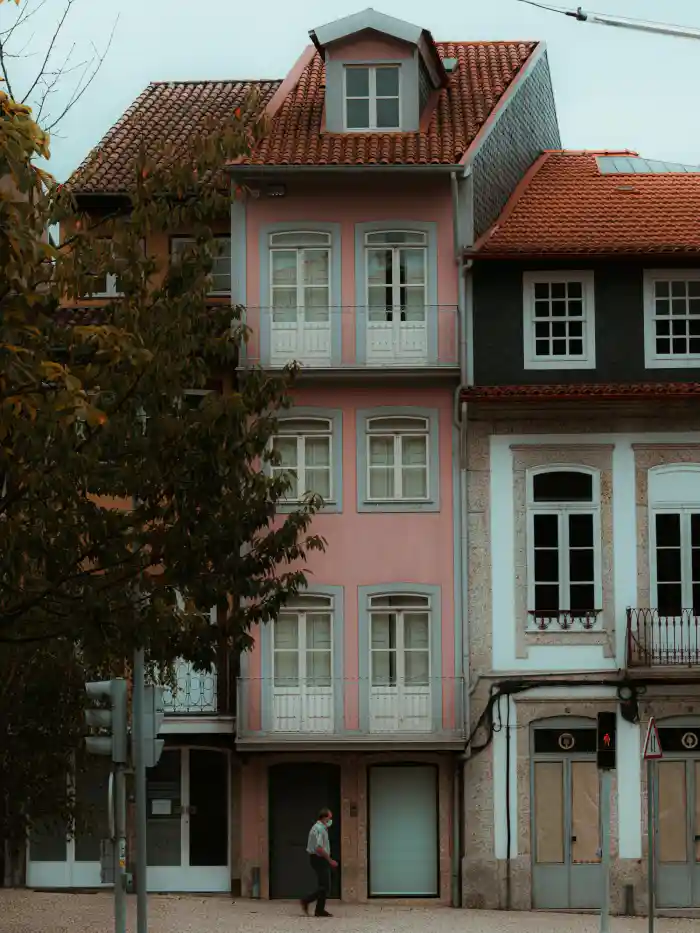
Guimarães is called the “birthplace of Portugal”. The old town is a compact network of granite paved streets, small squares and medieval buildings
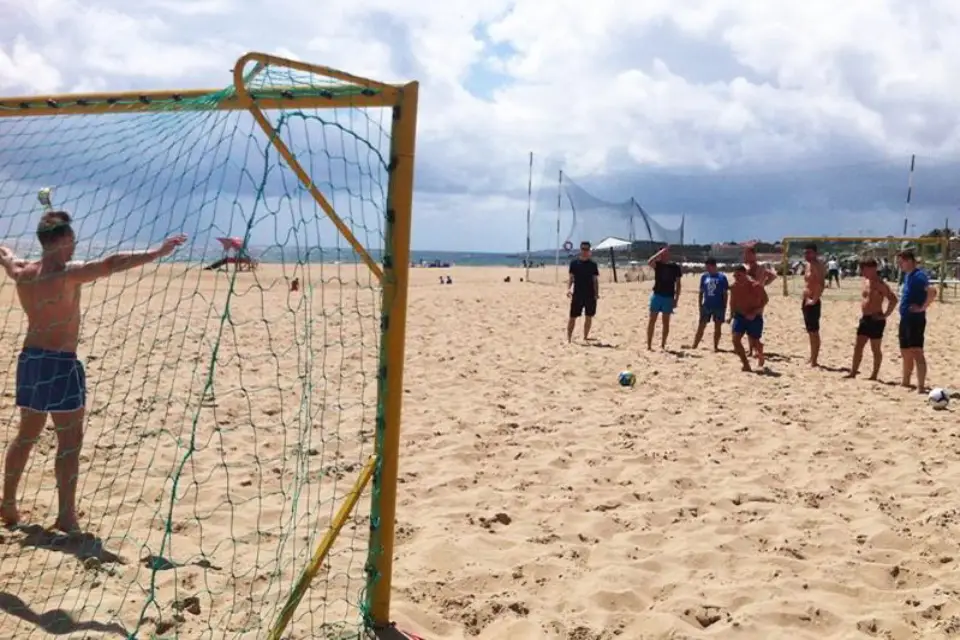
What makes Guimarães stand out is how normal life carries on inside this UNESCO listed centre. You’ll pass kids playing football in the squares, laundry hanging from windows and locals running errands.
It’s not a museum piece, it’s a town that just happens to have kept its medieval heart intact.
The past pops up on every street corner here.
What makes Guimarães stand out is how normal life carries on inside this UNESCO listed centre. You’ll pass kids playing football in the squares, laundry hanging from windows and locals running errands.
It’s not a museum piece, it’s a town that just happens to have kept its medieval heart intact.
The past pops up on every street corner here.
São Gualter Church
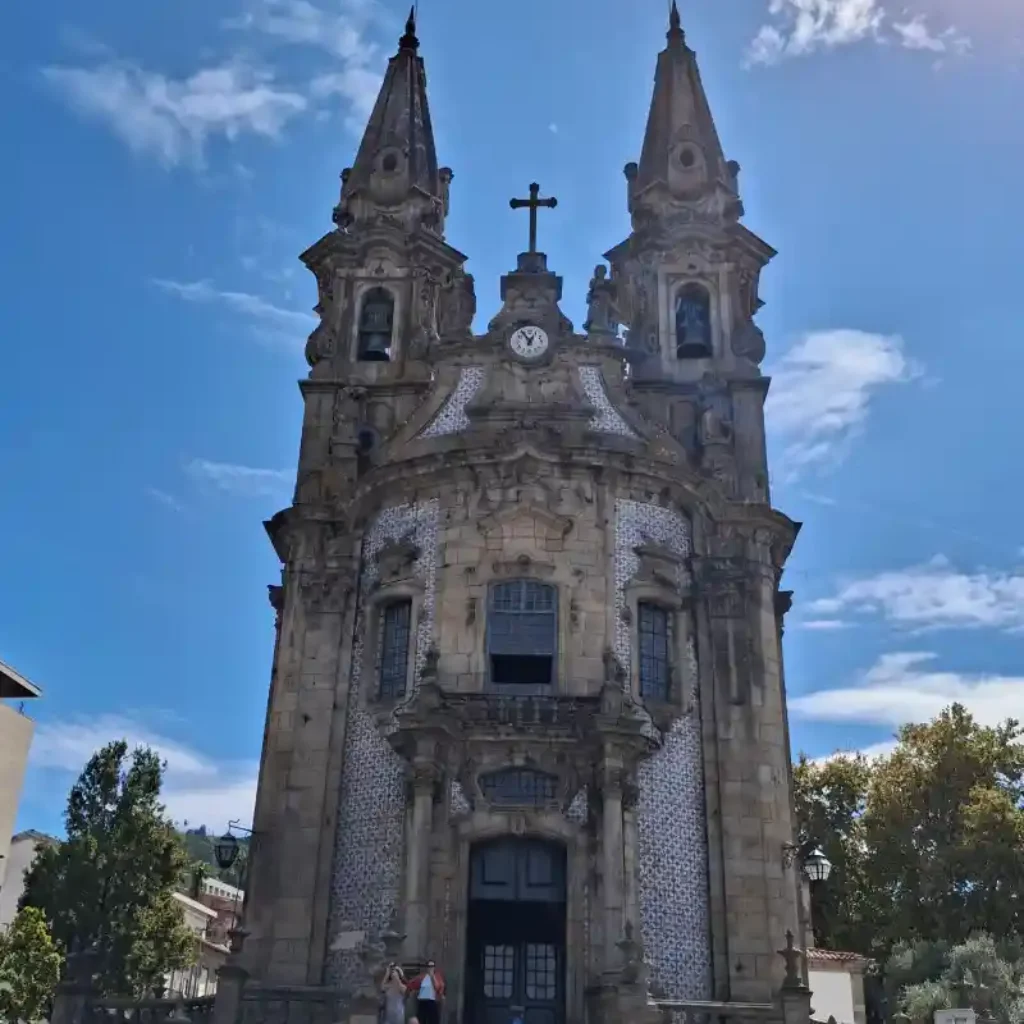
São Gualter Church or Igreja de São Gualter, sits at the end of Largo República do Brasil.
Built in the 18th century and finished in the 20th, it’s dedicated to Saint Walter, the city’s patron saint. The church has a twin-towered Baroque façade and a peaceful interior with gilded woodwork and traditional tile panels. Its location makes it a popular stop during the annual Festas Gualterianas in August, when processions and celebrations take over the street.
Even outside festival time, it’s worth the short walk from the historic centre for the view back toward the old town.
Built in the 18th century and finished in the 20th, it’s dedicated to Saint Walter, the city’s patron saint. The church has a twin-towered Baroque façade and a peaceful interior with gilded woodwork and traditional tile panels. Its location makes it a popular stop during the annual Festas Gualterianas in August, when processions and celebrations take over the street.
Even outside festival time, it’s worth the short walk from the historic centre for the view back toward the old town.
Historical Largo da Oliveira
Largo da Oliveira is the heart of Guimarães’ historical centre and one of its most atmospheric squares in the whole of Portugal. It takes its name from the ancient olive tree that still stands there, said to symbolize peace.
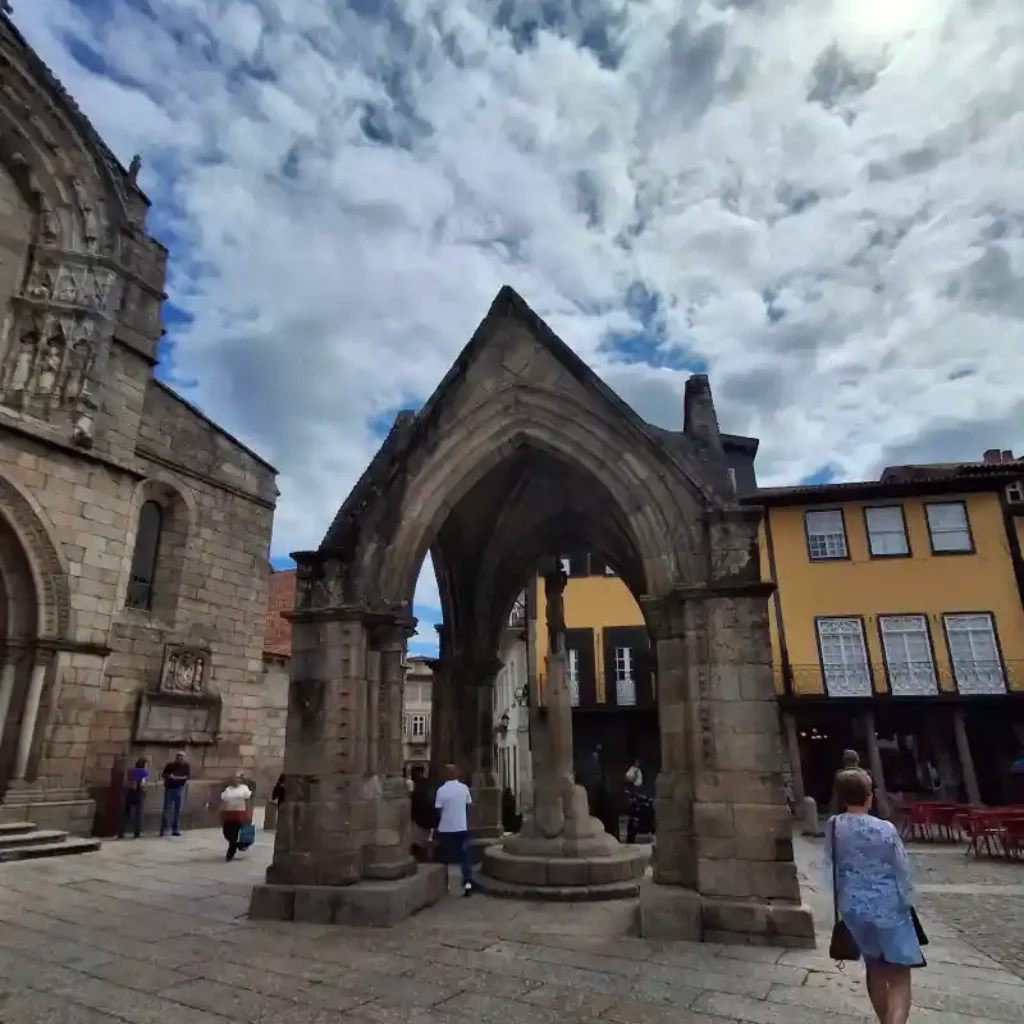
The square is framed by medieval houses with wooden balconies and arcades, giving it a distinctly old-world feel. At its centre stands the Gothic Padrão do Salado, a 14th-century monument commemorating a battle victory.
On one side is the Church of Our Lady of Oliveira, once part of a monastery. Today, the square is lively with cafés and restaurants, making it a perfect place to linger.
The square is framed by medieval houses with wooden balconies and arcades, giving it a distinctly old-world feel. At its centre stands the Gothic Padrão do Salado, a 14th-century monument commemorating a battle victory.
On one side is the Church of Our Lady of Oliveira, once part of a monastery. Today, the square is lively with cafés and restaurants, making it a perfect place to linger.
Largo do Toural & Aqui Nasceu Portugal
Largo do Toural is one of Guimarães’ main squares and a lively place to start exploring.
Once a cattle market, it’s now a wide plaza framed by 17th and 18thcentury buildings with traditional tiled façades and plenty of cafés. Sit for a coffee here and watch the city go by before heading toward the old town.
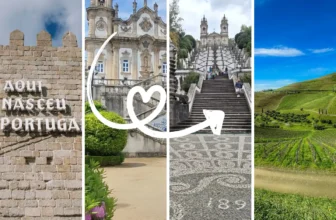
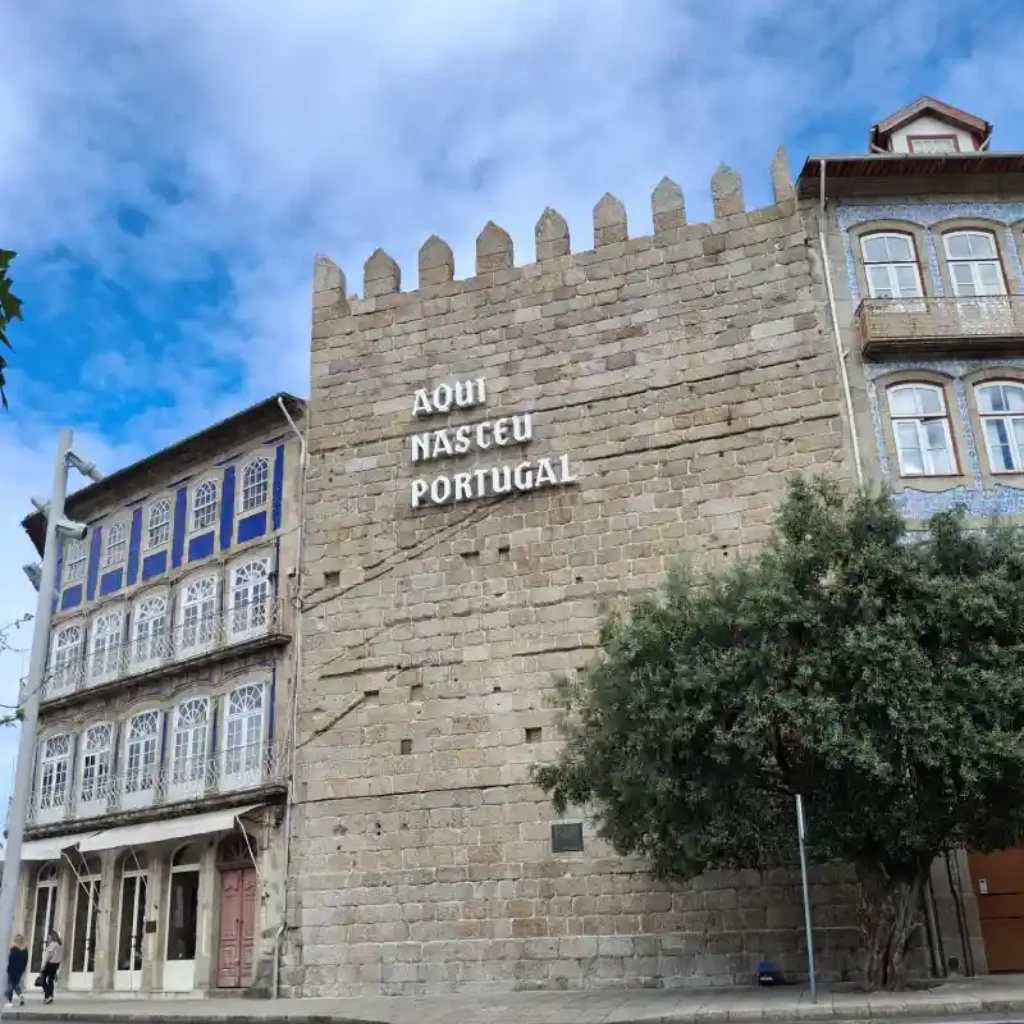
Nearby, on a section of the medieval walls, you’ll find the famous inscription “Aqui Nasceu Portugal – Portugal Was Born Here.” Simple but striking, it captures Guimarães’ importance as the birthplace of the nation of Portugal and is a must stop for a quick photo before you wander on.
Once a cattle market, it’s now a wide plaza framed by 17th and 18thcentury buildings with traditional tiled façades and plenty of cafés. Sit for a coffee here and watch the city go by before heading toward the old town.
Nearby, on a section of the medieval walls, you’ll find the famous inscription “Aqui Nasceu Portugal – Portugal Was Born Here.” Simple but striking, it captures Guimarães’ importance as the birthplace of the nation of Portugal and is a must stop for a quick photo before you wander on.
Praça de São Tiago
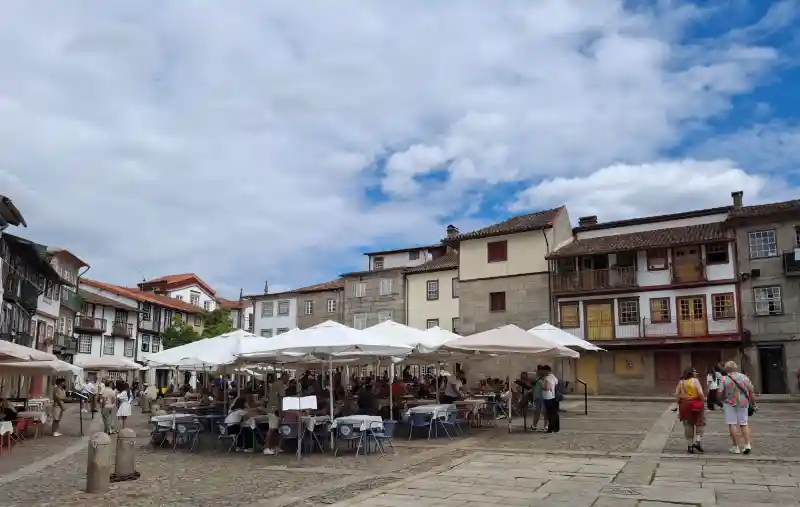
Praça de São Tiago is one of the most charming squares in Guimarães’ historic centre. According to tradition, the name comes from Saint James (São Tiago), whose image was brought here by pilgrims on the Camino de Santiago.
The square is framed by medieval houses with stone arcades and upper floors with wooden balconies, giving it a cozy, timeless feel.
During the day, it’s a quiet place to stroll or sit with a coffee, but in the evening it comes alive with locals and visitors filling its bars and restaurants. It’s the perfect spot to soak up Guimarães’ laid-back, lived-in atmosphere.
The square is framed by medieval houses with stone arcades and upper floors with wooden balconies, giving it a cozy, timeless feel.
During the day, it’s a quiet place to stroll or sit with a coffee, but in the evening it comes alive with locals and visitors filling its bars and restaurants. It’s the perfect spot to soak up Guimarães’ laid-back, lived-in atmosphere.
Watch Things To Do In Guimarães
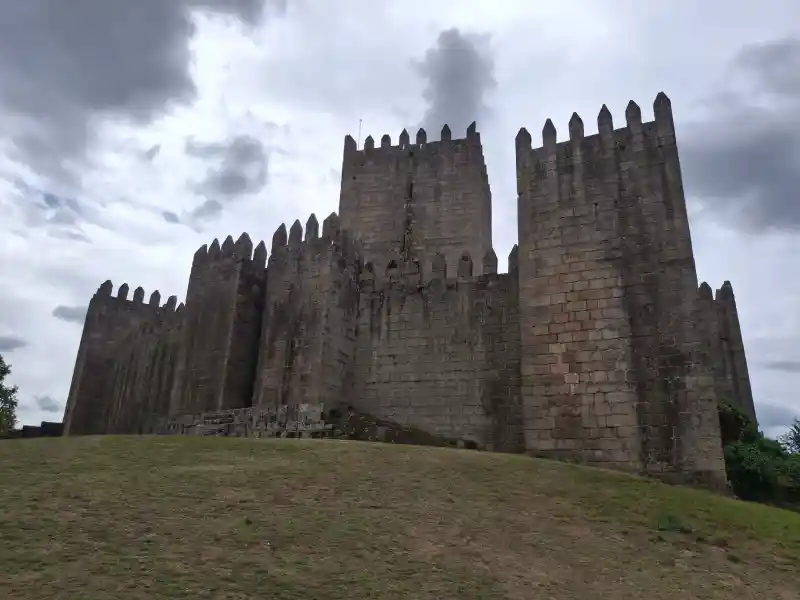
Guimarães Castle
Guimarães Castle is one of the city’s most iconic landmarks and a symbol of Portugal’s beginnings. Built in the 10th century to defend the region from attacks, it later became the childhood home of Afonso Henriques, the first king of Portugal.
The castle has a simple but striking look: tall granite walls, seven towers, and a central keep rising above it all.
You can walk along parts of the walls and get sweeping views of the surrounding hills and town. It’s not a grand palace but a solid, atmospheric fortress that makes the country’s early history feel surprisingly close.
The castle has a simple but striking look: tall granite walls, seven towers, and a central keep rising above it all.
You can walk along parts of the walls and get sweeping views of the surrounding hills and town. It’s not a grand palace but a solid, atmospheric fortress that makes the country’s early history feel surprisingly close.
Igreja de São Miguel do Castelo
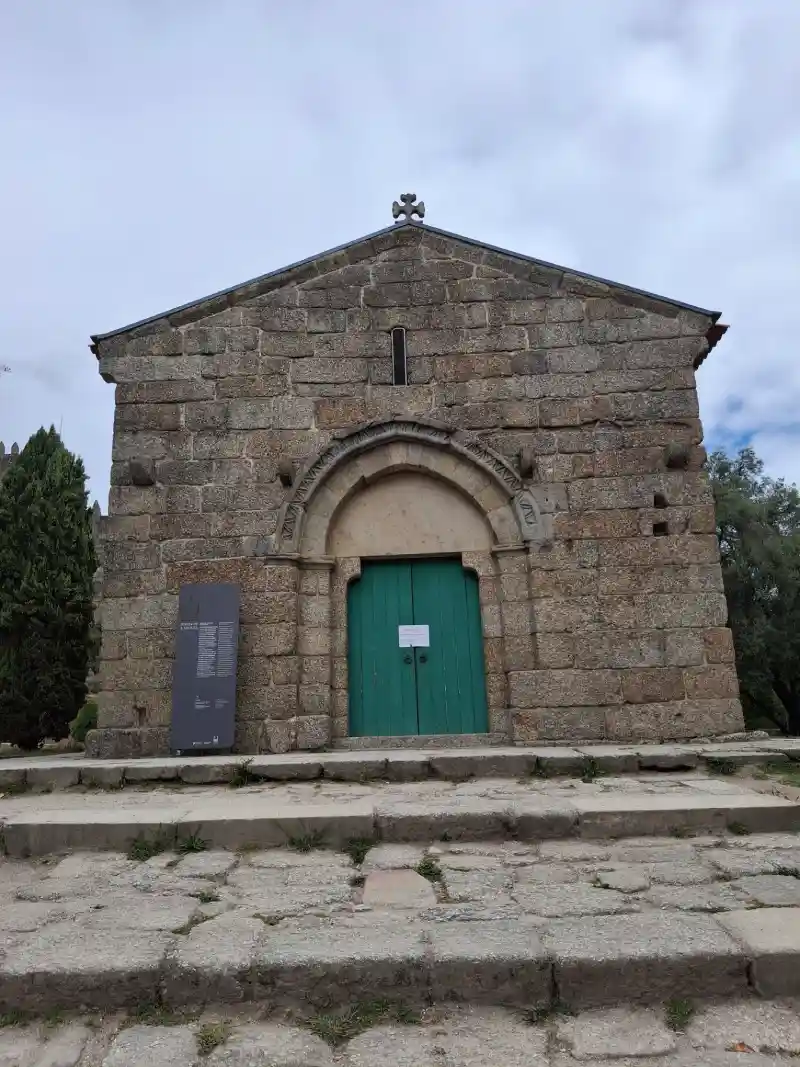
Church Of São Miguel do Castelo is a small, Romanesque chapel sitting just below Guimarães Castle and it’s easy to miss if you’re not looking for it.
Dating back to the 12th century, it’s famously known as the place where Afonso Henriques, Portugal’s first king, was baptized. The church is simple, with thick stone walls, a single nave, and a peaceful, understated interior. Outside, you’ll find old gravestones laid into the ground, adding to the sense of history.
Visiting it doesn’t take long, but it pairs perfectly with a stop at the castle and helps complete the story of Portugal’s beginnings.
Dating back to the 12th century, it’s famously known as the place where Afonso Henriques, Portugal’s first king, was baptized. The church is simple, with thick stone walls, a single nave, and a peaceful, understated interior. Outside, you’ll find old gravestones laid into the ground, adding to the sense of history.
Visiting it doesn’t take long, but it pairs perfectly with a stop at the castle and helps complete the story of Portugal’s beginnings.
Paço dos Duques
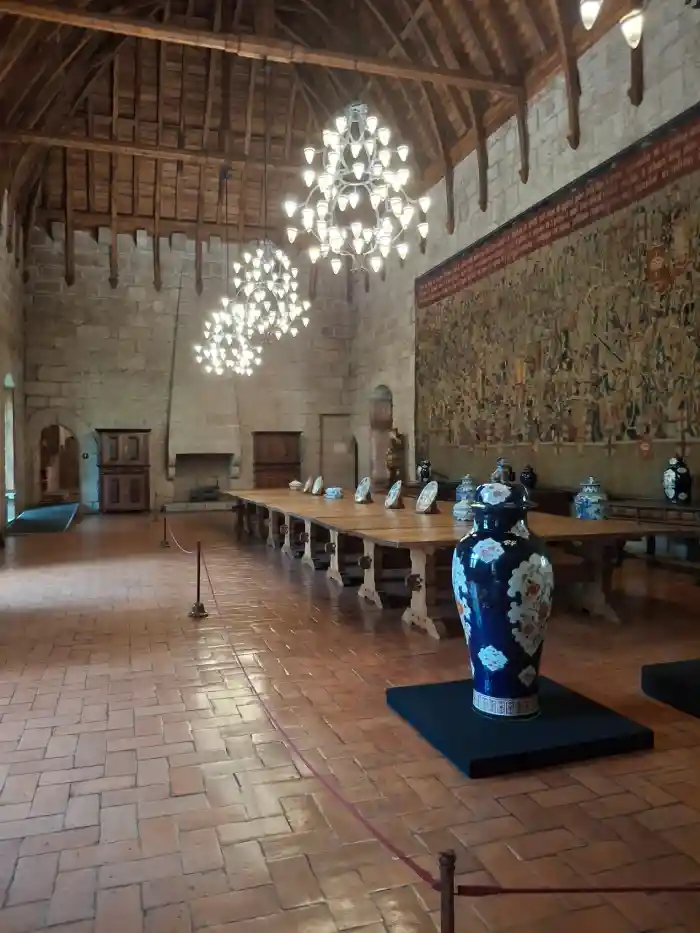
Paço dos Duques de Bragança, or the Palace of the Dukes of Braganza, is one of Guimarães’ most impressive landmarks. Built in the 15th century by Afonso, the first Duke of Braganza, it mixes medieval and early Renaissance architecture with its tall chimneys and fortified look.
Inside, the palace feels part museum, part noble residence, you can wander through grand halls, see tapestries, furniture, weapons, and even a small chapel.
The huge banquet hall is a highlight, with its exposed wooden ceiling and scale that shows the power of the dukes.
It’s a must-see for a deeper dive into Guimarães’ history.
Inside, the palace feels part museum, part noble residence, you can wander through grand halls, see tapestries, furniture, weapons, and even a small chapel.
The huge banquet hall is a highlight, with its exposed wooden ceiling and scale that shows the power of the dukes.
It’s a must-see for a deeper dive into Guimarães’ history.
Igreja de Nossa Senhora da Oliveira
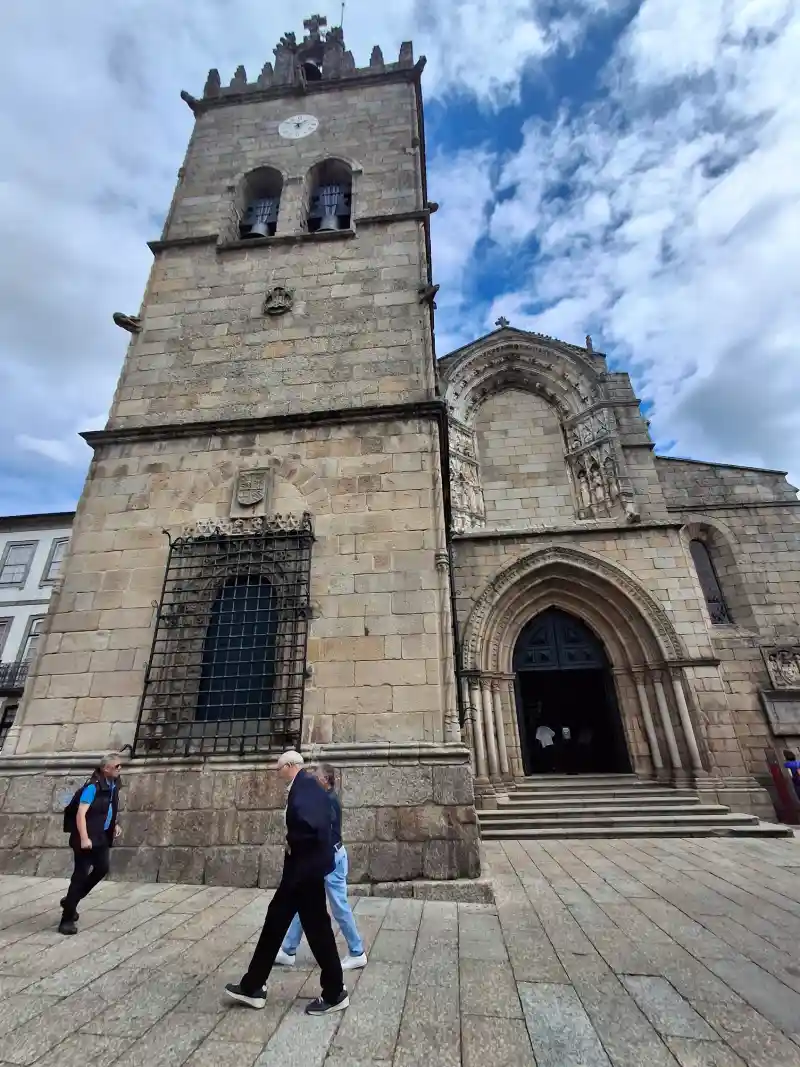
The Church of Our Lady of Oliveira (Igreja de Nossa Senhora da Oliveira) is one of the key landmarks in Guimarães’ historic centre, located right on Largo da Oliveira.
Originally founded as a monastery in the 10th century, it was rebuilt in Gothic style in the 14th century by King João I. Inside, you’ll find a mix of Gothic and Baroque details, including a striking gilded altarpiece and traditional azulejo tiles.
The church’s name, meaning “Our Lady of the Olive Tree,” ties to the square’s ancient olive tree, a local symbol of peace. It’s both a religious site and a piece of living history.
Originally founded as a monastery in the 10th century, it was rebuilt in Gothic style in the 14th century by King João I. Inside, you’ll find a mix of Gothic and Baroque details, including a striking gilded altarpiece and traditional azulejo tiles.
The church’s name, meaning “Our Lady of the Olive Tree,” ties to the square’s ancient olive tree, a local symbol of peace. It’s both a religious site and a piece of living history.
Cable Car
The Guimarães Cable Car, officially called the Teleférico de Penha, is a scenic way to reach Penha Mountain, just outside the historic centre.
The ride lasts about 10 minutes and takes you over wooded hills and small valleys, offering panoramic views of the city below.
At the top, you’ll find walking trails, picnic areas, a small chapel, and viewpoints that stretch all the way to the Atlantic on clear days. It’s a relaxing alternative to hiking up the mountain, and a great spot for photography or just soaking in the landscape around Guimarães.
The ride lasts about 10 minutes and takes you over wooded hills and small valleys, offering panoramic views of the city below.
At the top, you’ll find walking trails, picnic areas, a small chapel, and viewpoints that stretch all the way to the Atlantic on clear days. It’s a relaxing alternative to hiking up the mountain, and a great spot for photography or just soaking in the landscape around Guimarães.
Bordado de Guimaraes
Bordado de Guimarães is a traditional form of embroidery from Guimarães.
It is one of the country’s most distinctive embroidery styles, known for its elegance, simplicity, and connection to the region’s cultural heritage.
It is one of the country’s most distinctive embroidery styles, known for its elegance, simplicity, and connection to the region’s cultural heritage.
Rua de Couros
Rua de Couros in Guimarães is where history lingers in the air. Once the bustling heart of the city’s leather-tanning industry, this narrow street still shows its past through stone tanks and water channels once used to soak hides.
Walking here feels like stepping back in time, the preserved tanneries and rustic façades tell the story of a hardworking, pre-industrial city.
It’s a quiet, atmospheric spot, perfect for curious travelers who love exploring hidden corners and imagining the lives once lived there.
Walking here feels like stepping back in time, the preserved tanneries and rustic façades tell the story of a hardworking, pre-industrial city.
It’s a quiet, atmospheric spot, perfect for curious travelers who love exploring hidden corners and imagining the lives once lived there.

Ilha do Sabão
Tucked inside Guimarães’ historic center, Ilha do Sabão is a tiny, hidden “island” of narrow alleys and stone houses that once bustled with tanners and craftsmen.
The name recalls soap making, linked to the leather industry that thrived here. Walking through its tight passageways feels like discovering a secret, you can almost hear the echoes of centuries-old work and chatter. Today, it’s a quiet, atmospheric corner, beautifully preserved as part of the UNESCO-listed city.
The name recalls soap making, linked to the leather industry that thrived here. Walking through its tight passageways feels like discovering a secret, you can almost hear the echoes of centuries-old work and chatter. Today, it’s a quiet, atmospheric corner, beautifully preserved as part of the UNESCO-listed city.
Walk Along the Medieval Walls
Walking along the medieval walls of Guimarães is like stepping straight into a history book. The city’s 10th-century fortifications still embrace its historic center, and following them gives you a fresh perspective on this UNESCO World Heritage Site.
Start near the iconic Castelo de Guimarães, where the walls once defended the birthplace of Portugal, and trace their path toward the Paço dos Duques and Largo do Toural.
Along the way, you’ll spot towers, gates, and stretches of stone that seem frozen in time. It’s a leisurely stroll, perfect for soaking up the views, snapping photos, and imagining medieval life.
Start near the iconic Castelo de Guimarães, where the walls once defended the birthplace of Portugal, and trace their path toward the Paço dos Duques and Largo do Toural.
Along the way, you’ll spot towers, gates, and stretches of stone that seem frozen in time. It’s a leisurely stroll, perfect for soaking up the views, snapping photos, and imagining medieval life.
Taste a Torta de Guimarães
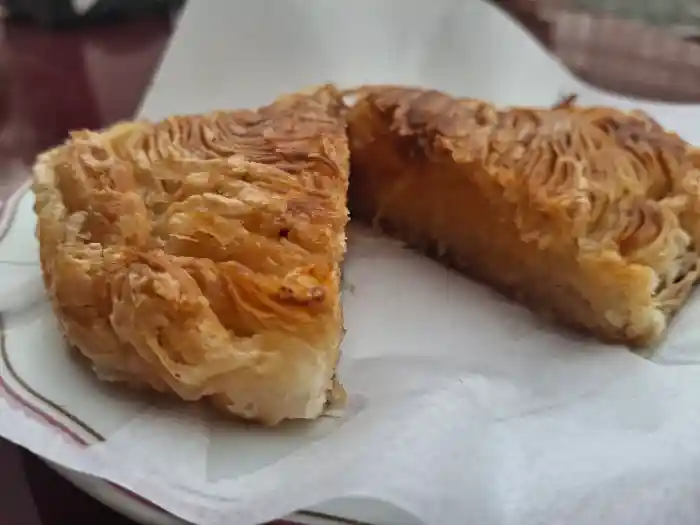
Tasting a torta de Guimarães is a must when visiting this historic city.
This local pastry is pure comfort, a crisp, flaky dough folded around a sweet filling of squash jam, ground almonds, eggs, and sugar. It’s then dusted with sugar for the perfect finish.
Each bite is a mix of soft, nutty sweetness and delicate crunch, a recipe passed down through generations. You’ll find them in the city’s pastelarias (bakeries), often served with a strong espresso. Grab one, sit in a sunny square, and savor it slowly, it’s Guimarães on a plate, sweet and proudly traditional.
This local pastry is pure comfort, a crisp, flaky dough folded around a sweet filling of squash jam, ground almonds, eggs, and sugar. It’s then dusted with sugar for the perfect finish.
Each bite is a mix of soft, nutty sweetness and delicate crunch, a recipe passed down through generations. You’ll find them in the city’s pastelarias (bakeries), often served with a strong espresso. Grab one, sit in a sunny square, and savor it slowly, it’s Guimarães on a plate, sweet and proudly traditional.
Taste a Traditional Sweets
For a real taste of Guimarães, seek out its traditional sweets.
Douradinhas de Guimarães are golden, bite-sized pastries filled with a rich egg-and-almond cream, soft, silky, and perfectly sweet. Toucinho-do-céu de Guimarães, whose name means “Bacon from Heaven,” is a dense, moist almond cake enriched with egg yolks and, traditionally, a touch of pork lard for flavor.
Both recipes come from convent traditions, making each bite a link to the city’s past. Find them in local pastelarias, order a coffee, and take your time, these aren’t just desserts, they’re edible history.
Douradinhas de Guimarães are golden, bite-sized pastries filled with a rich egg-and-almond cream, soft, silky, and perfectly sweet. Toucinho-do-céu de Guimarães, whose name means “Bacon from Heaven,” is a dense, moist almond cake enriched with egg yolks and, traditionally, a touch of pork lard for flavor.
Both recipes come from convent traditions, making each bite a link to the city’s past. Find them in local pastelarias, order a coffee, and take your time, these aren’t just desserts, they’re edible history.

Penha Park and Sanctuary
High above Guimarães, Penha Park is a green haven of granite boulders, winding trails, and shady picnic spots.
It’s the perfect place to escape the bustle and take in sweeping views of the city below. At its heart stands the Sanctuary of Our Lady of Penha, a striking 20th-century church with a modernist flair, drawing pilgrims and sightseers alike.
You can hike up if you’re feeling adventurous, or take the cable car for a spectacular ride through the treetops. Pack a picnic, wander the trails, and let the quiet beauty of Penha recharge you before heading back into town.
It’s the perfect place to escape the bustle and take in sweeping views of the city below. At its heart stands the Sanctuary of Our Lady of Penha, a striking 20th-century church with a modernist flair, drawing pilgrims and sightseers alike.
You can hike up if you’re feeling adventurous, or take the cable car for a spectacular ride through the treetops. Pack a picnic, wander the trails, and let the quiet beauty of Penha recharge you before heading back into town.
Alberto Sampaio Museum
Tucked behind Nossa Senhora da Oliveira Church, the Alberto Sampaio Museum is a quiet treasure trove of medieval and religious art.
Housed in a former monastery, its cloisters and stone halls set the mood as you wander past gilded altarpieces, embroidered vestments, and delicate sculptures.
The highlight? The stunning 14th-century tunic of King João I, worn at the Battle of Aljubarrota, a rare piece of Portugal’s early history. It’s the kind of place where you move slowly, letting each room whisper its stories.
For lovers of history and sacred art, this museum is an unmissable stop in Guimarães.
Housed in a former monastery, its cloisters and stone halls set the mood as you wander past gilded altarpieces, embroidered vestments, and delicate sculptures.
The highlight? The stunning 14th-century tunic of King João I, worn at the Battle of Aljubarrota, a rare piece of Portugal’s early history. It’s the kind of place where you move slowly, letting each room whisper its stories.
For lovers of history and sacred art, this museum is an unmissable stop in Guimarães.
Church of St. Francis
Just a short stroll from the historic center, the Church of St. Francis (Igreja de São Francisco) is a feast for the eyes.
From the outside, it looks solemn and Gothic, but step inside and you’re greeted by a blaze of Baroque gold, carved altarpieces, ornate woodwork, and intricate tile panels that tell biblical stories. The church dates back to the 13th century, built by Franciscan friars, and carries centuries of devotion in its stones. It’s the kind of place where you pause, look up, and just breathe in the quiet grandeur before heading back into the lively streets.
From the outside, it looks solemn and Gothic, but step inside and you’re greeted by a blaze of Baroque gold, carved altarpieces, ornate woodwork, and intricate tile panels that tell biblical stories. The church dates back to the 13th century, built by Franciscan friars, and carries centuries of devotion in its stones. It’s the kind of place where you pause, look up, and just breathe in the quiet grandeur before heading back into the lively streets.

Thanks for reading Things To Do In Guimarães.
Book your Douro Activities with Activities in Portugal.
Sharing Is Caring ❤️
-
 In stock€30.00
 -
In stock€22.00
-
In stock€40.00
-
In stock€40.00










































Map Of Things To Do In Guimarães
Guimarães Weather
GUIMARAES WEATHERHow To Get To Guimarães
When To Visit Guimarães?
Other Portugal Travel Guides
Best Hotels in Guimarães
Things to Know Before You Go

Written by Clara R.
“I’ve been lucky enough to call Portugal home since 2011, living in the Algarve, Lisbon, and the Porto area. Every year, I make it a mission to travel around this beautiful country, discovering new places, hidden gems, and the best local spots. Portugal never stops surprising me!.”